I am assembling some of these for folks in Adelaide, any spares I will list on my Tindie store. I got X10 PCB's made. I need only 1 , I currently have a loaner which I need to return, happy to bring more Nintendo things into existence. I am a bit of a copycat, I was told off at the Nintendo museum for running around and copying the artwork for their old games by hand in my sketchbook, since they don't allow photography.
@Matt Venn - Very cool! I think that is somewhat a demonstration of my idea that if you make things cheap enough you can change the way you think about doing testing. You could run a simulation or you could just "try the real thing"
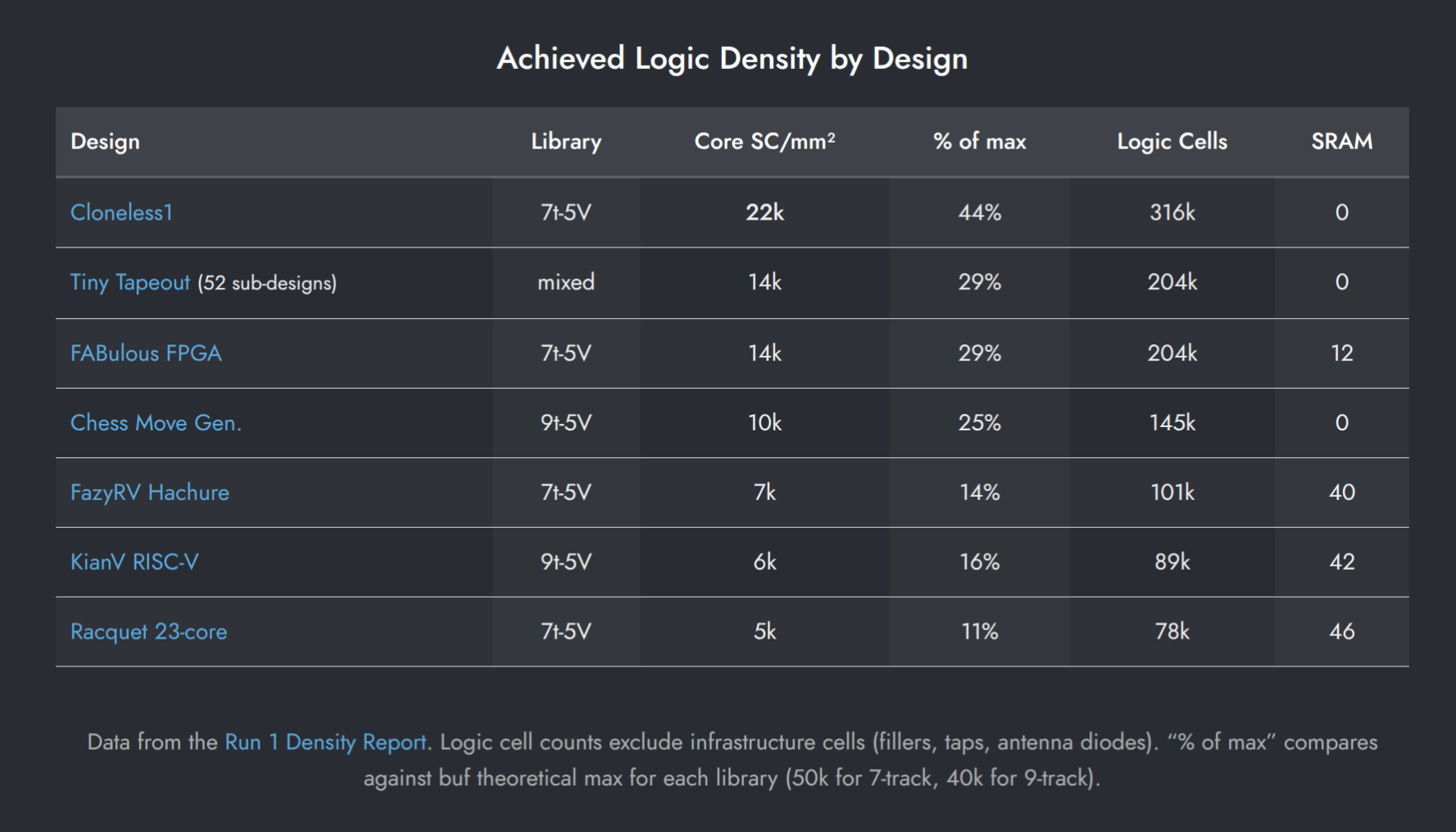
@Matt Venn - Also, I think you kind of implied in the video that Tiny Tapeout chips are starting to include common elements on every chip? A mini-mosbius, a mini-fpga, etc?
✅ KM-Kinter reported @Matt Venn's VGA clock as working: Connected the board to a monitor via VGA. The video output works as expected, setting the time functions properly, and the clock increments accurately. Everything tested is fully functional.
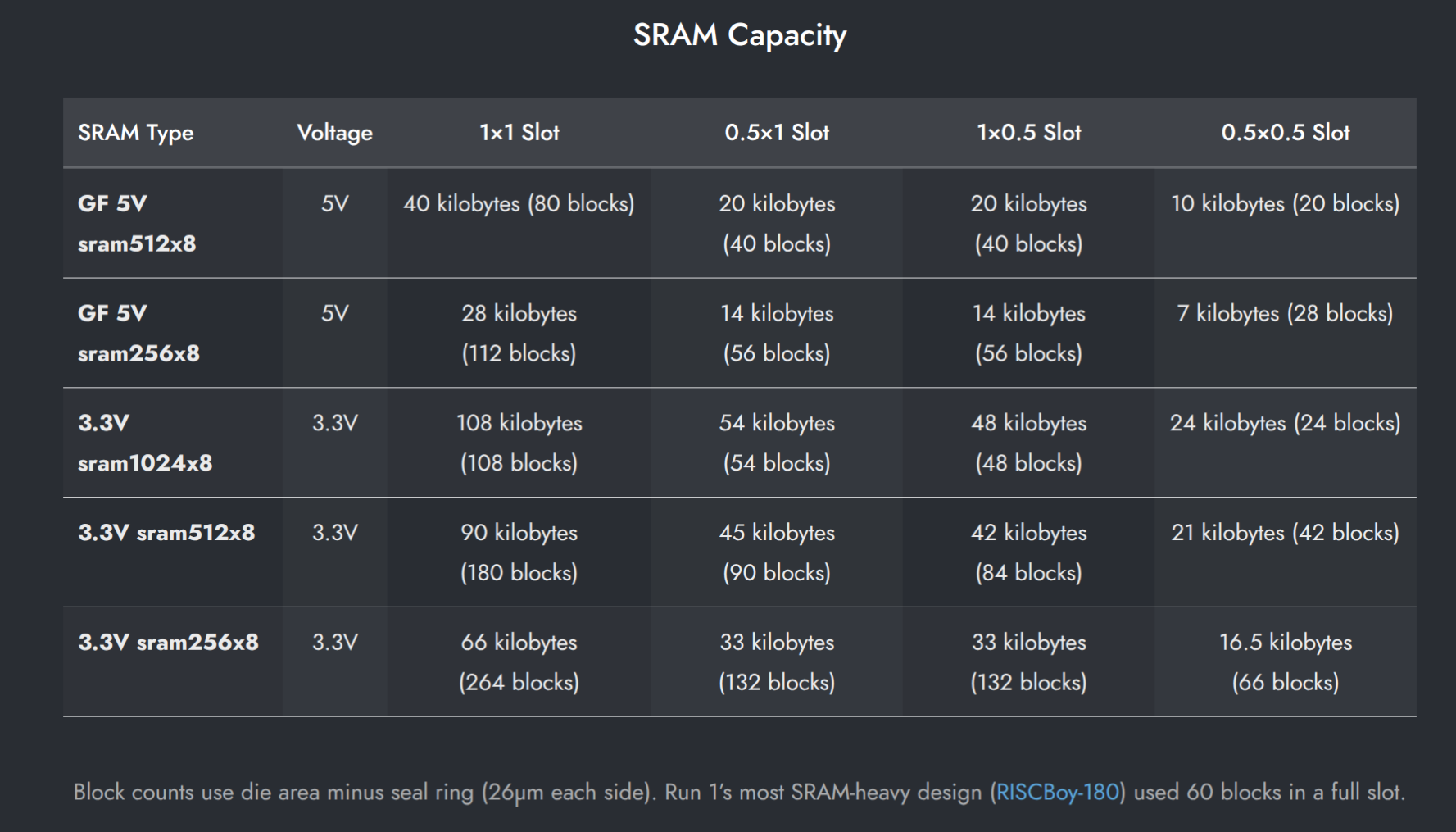
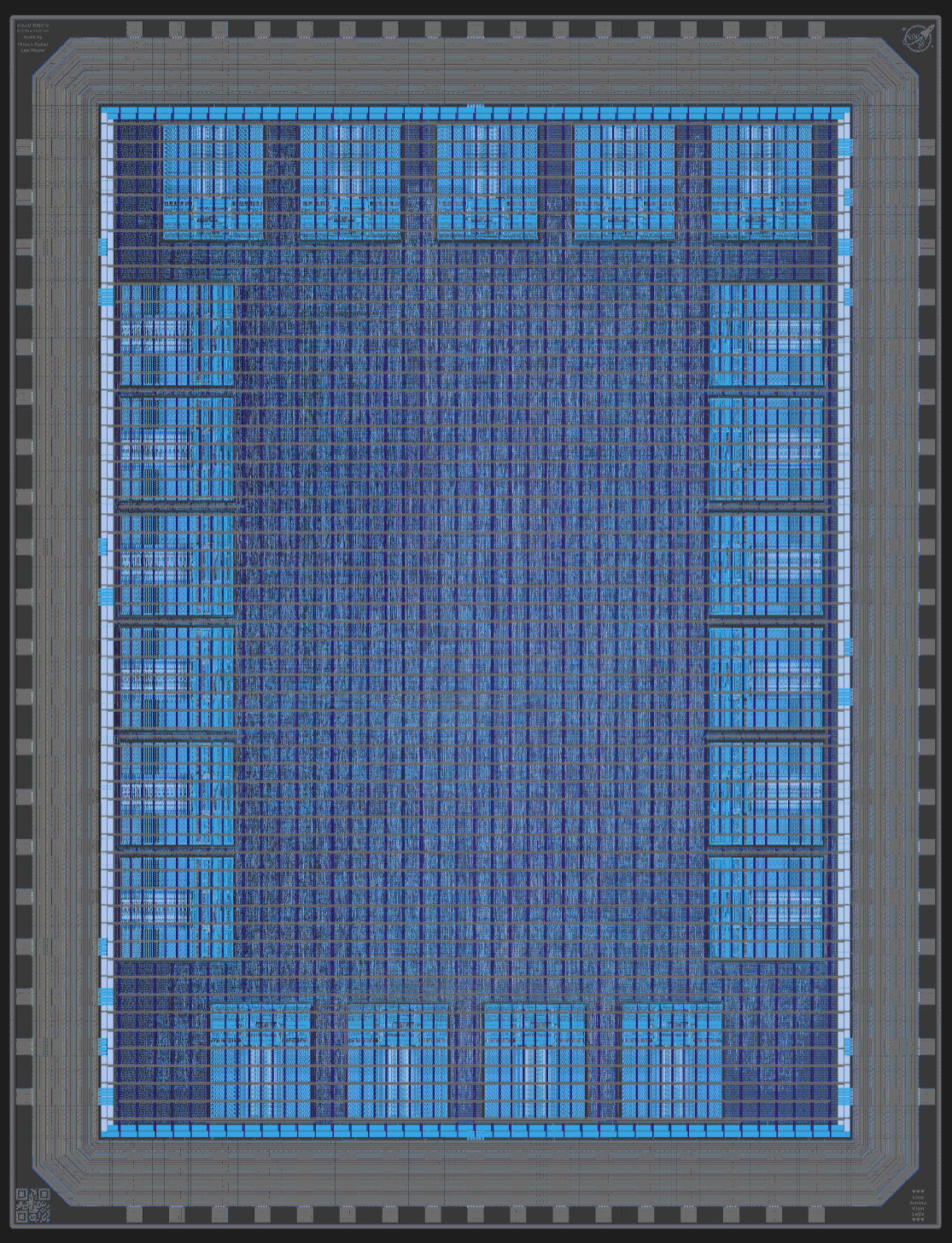
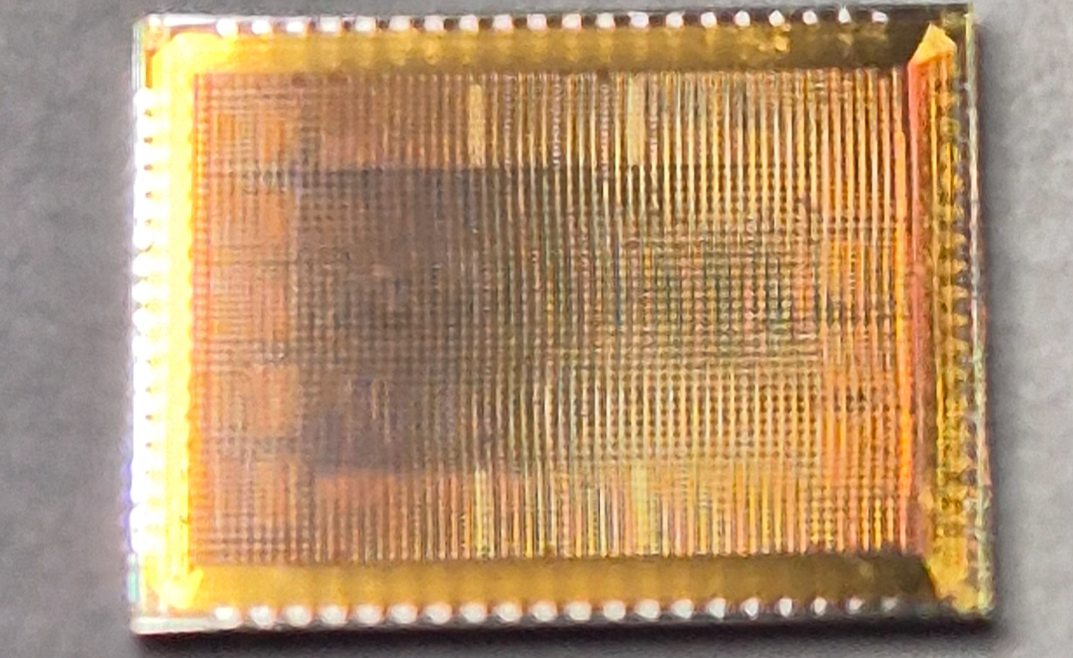
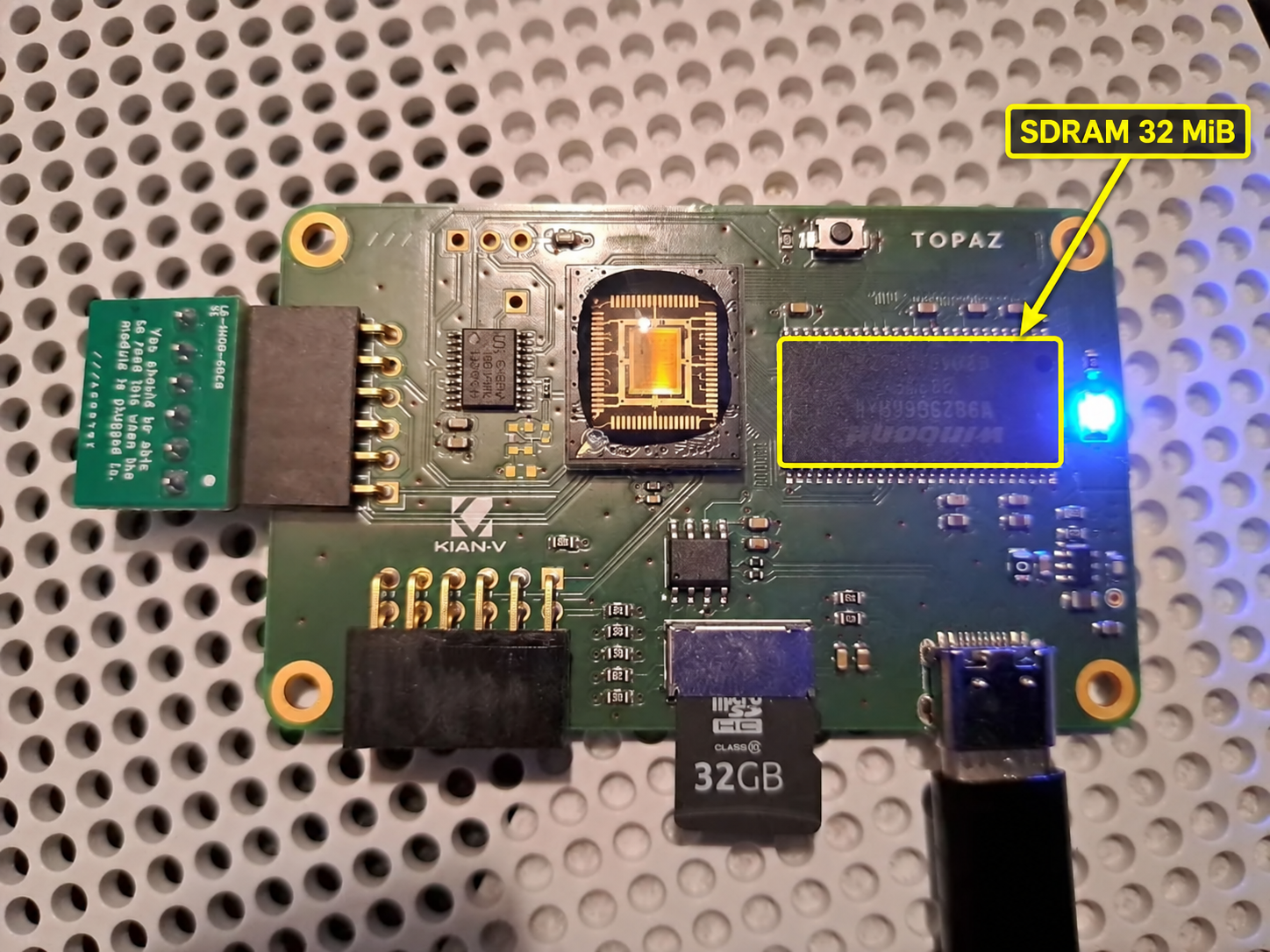
@carlfk, that is why I implemented the SDRAM controller for GF180MCU. I need memory. The only memory I need on the chip is for the caches. I implemented those in GF180 as well. You can see all the SRAM cells around my design.
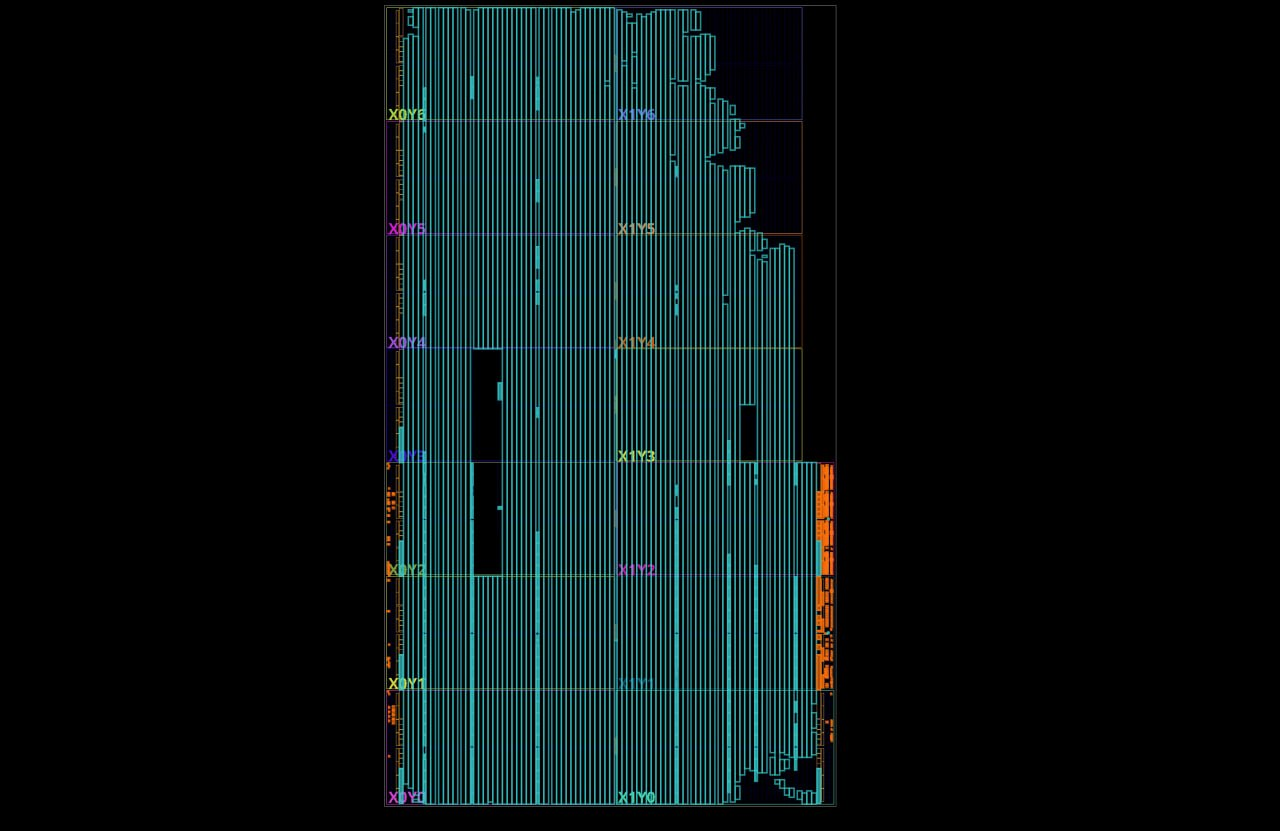
@carlfk Just to give you an idea: if you built a Kintex 7 325T as a GF180 FPGA, the die would be something like 55 × 55 to 90 × 90 mm. That is a rough estimate based on scaling the 28 nm FPGA fabric to the 180 nm GF180MCU process.(edited)
@carlfk Just to give you an idea: if you built a Kintex 7 325T as a GF180 FPGA, the die would be something like 55 × 55 to 90 × 90 mm. That is a rough estimate based on scaling the 28 nm FPGA fabric to the 180 nm GF180MCU process. (edited)
@digshadow was involved in that work to document that part too.
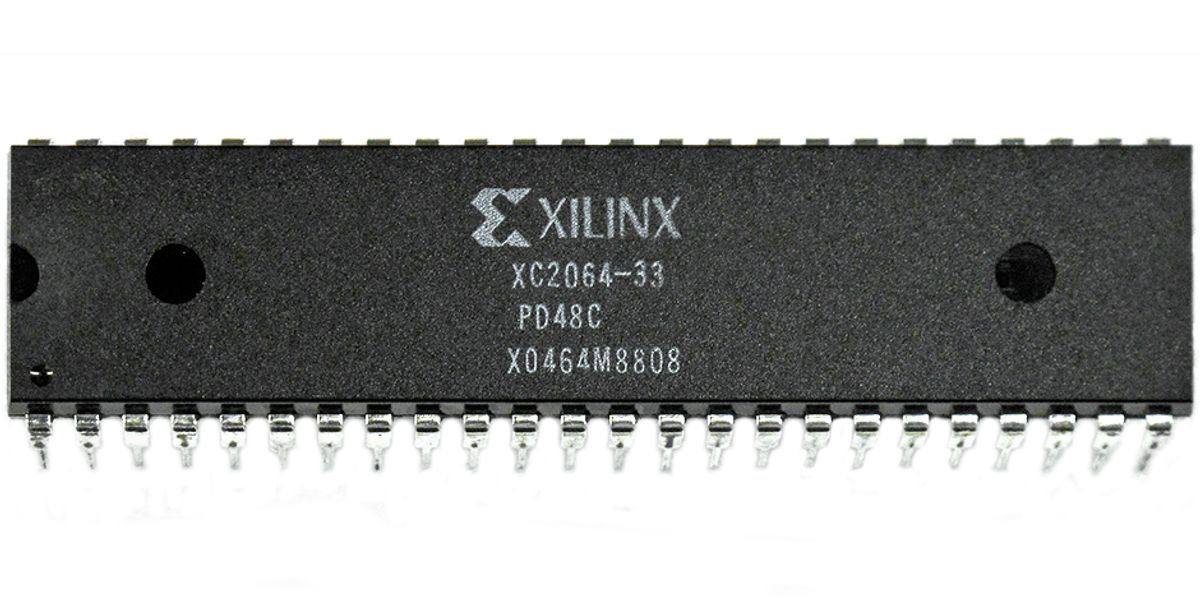
I always had the dream of having the same (open source) FPGA toolchain be able to produce a bitstream for both Xilinx's modern parts and it's first ever part.
A digital breathing timer built with logic gates and D flip-flops in Wokwi for the Tiny Tapeout workshop. A single seven-segment display counts up through a repeating 19-second cycle when driven by...


 1




 1
 1
 1