wafer.space Community
📐 - Designing / 🕰️-analog
Between 2026-09-30 11:59 p.m. and 2026-11-01 12:00 a.m.



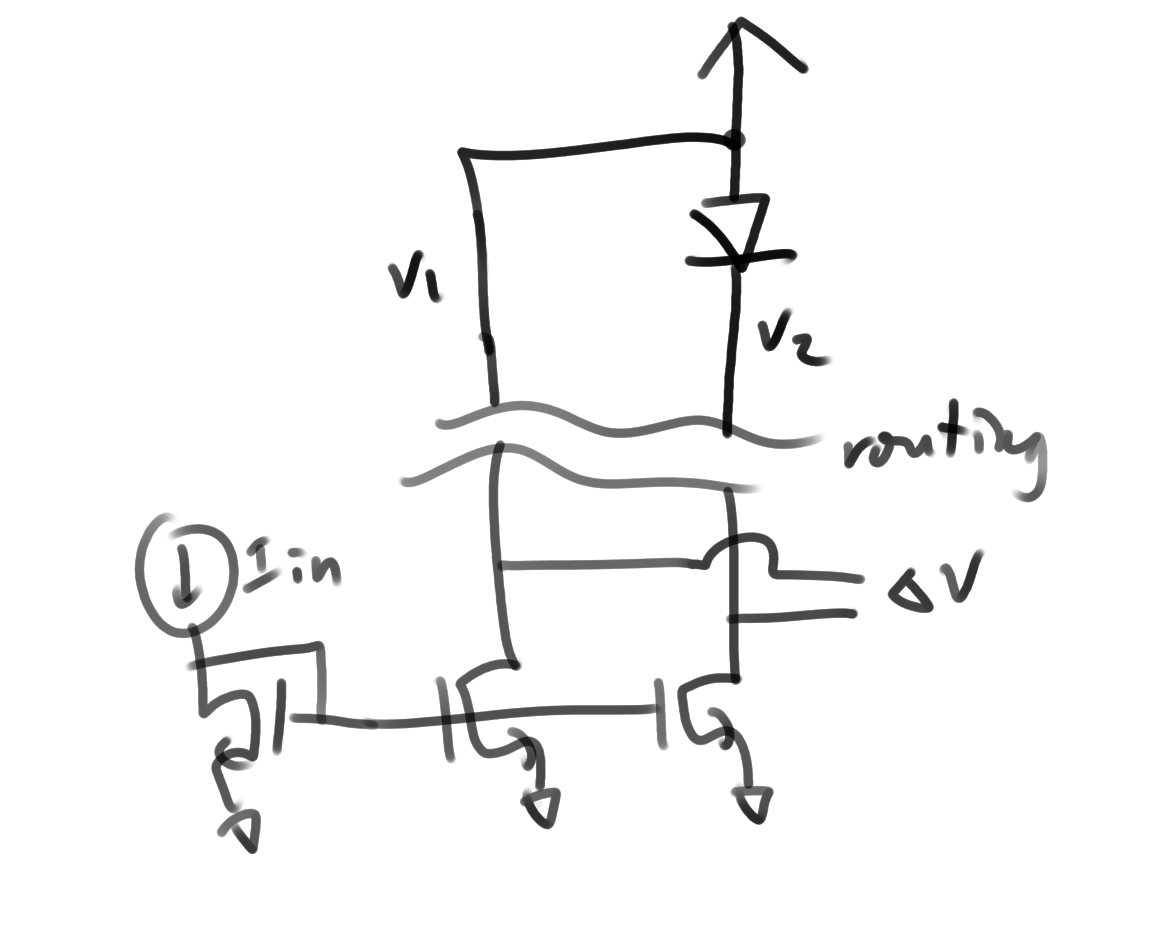
 We could put converters on board, but right now ADCs/DACs are assumed external for ease/cost/fidelity. I/O is bidirectional analog pins.
 1 We could put converters on board, but right now ADCs/DACs are assumed external for ease/cost/fidelity. I/O is bidirectional analog pins.
f_go in this context? The pole frequency caused by finite output conductance and the capacitance at that output?
No idea. Die-to-die is planned, but no custom bonds, only the mini carrier boards with the default Wafer Space bonding option.
f_g0 ? Cross over frequency ?
 We could put converters on board, but right now ADCs/DACs are assumed external for ease/cost/fidelity. I/O is bidirectional analog pins. 1

 1
 1 1
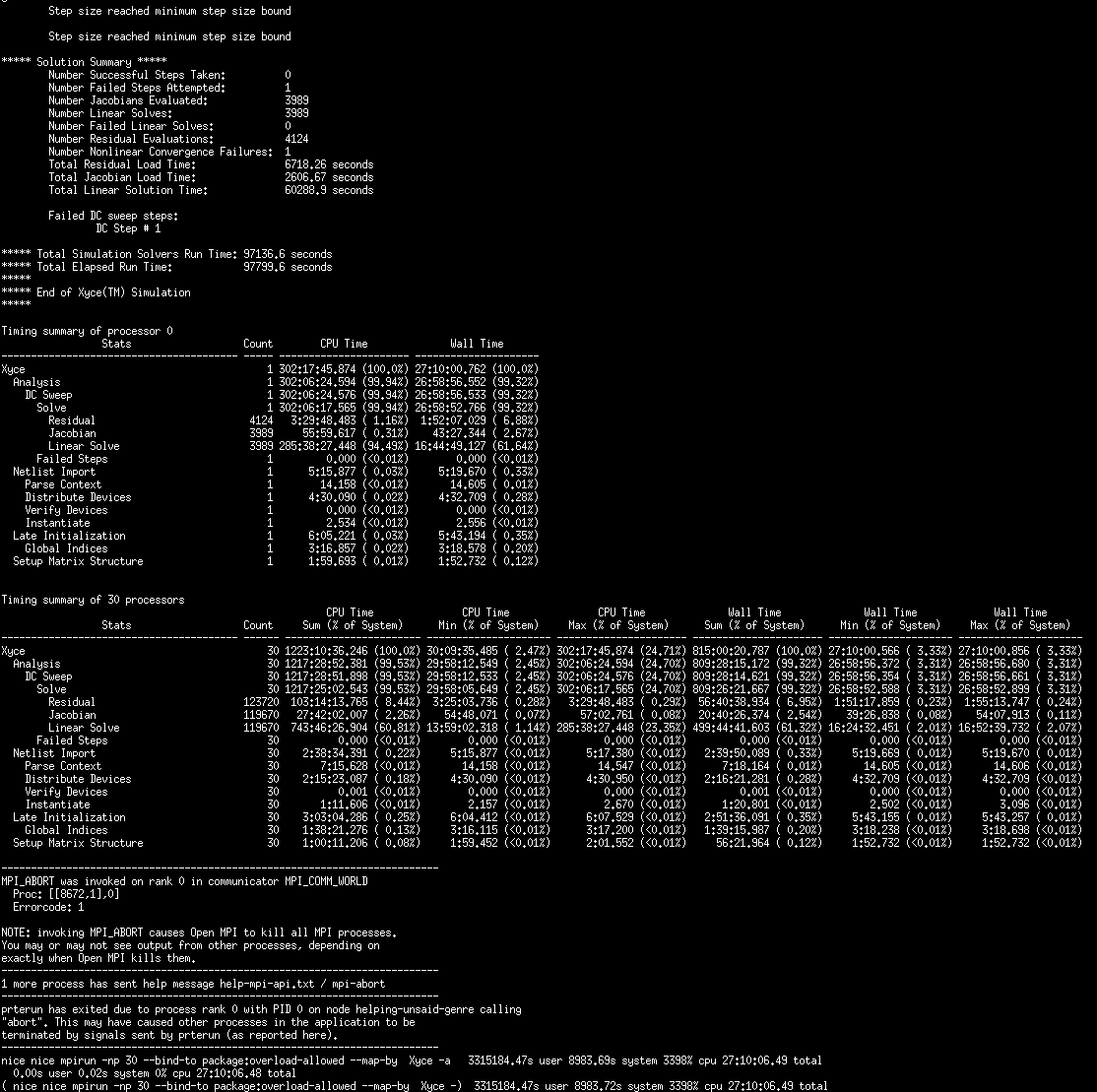
main branch and updating to that solved my convergence issues.

 1
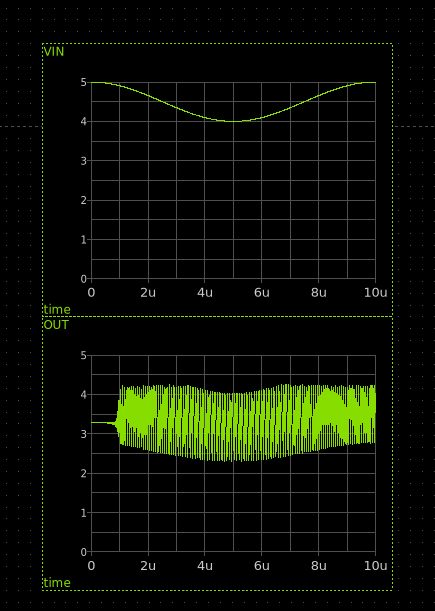
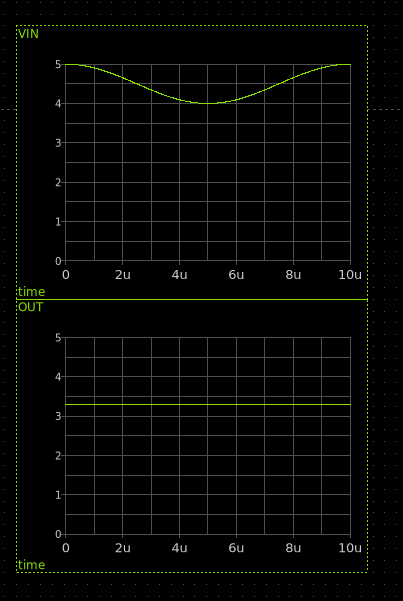

 1 1
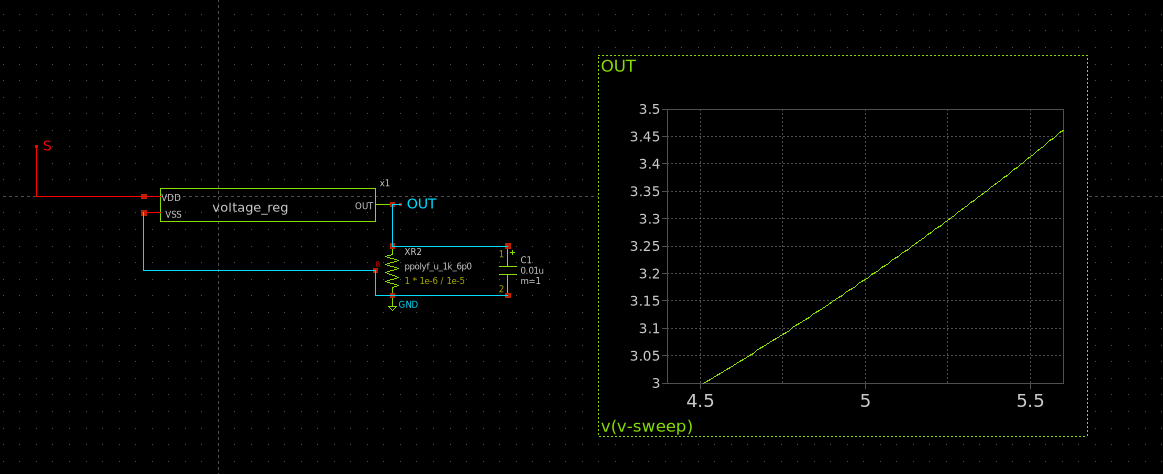
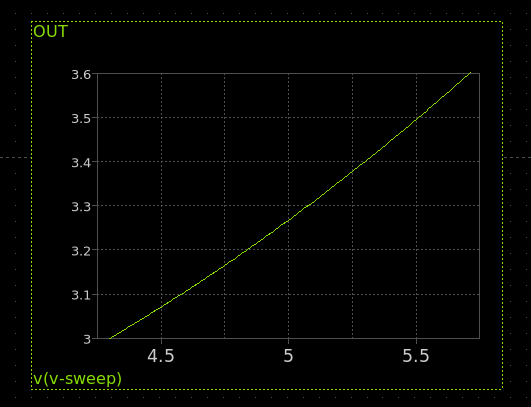
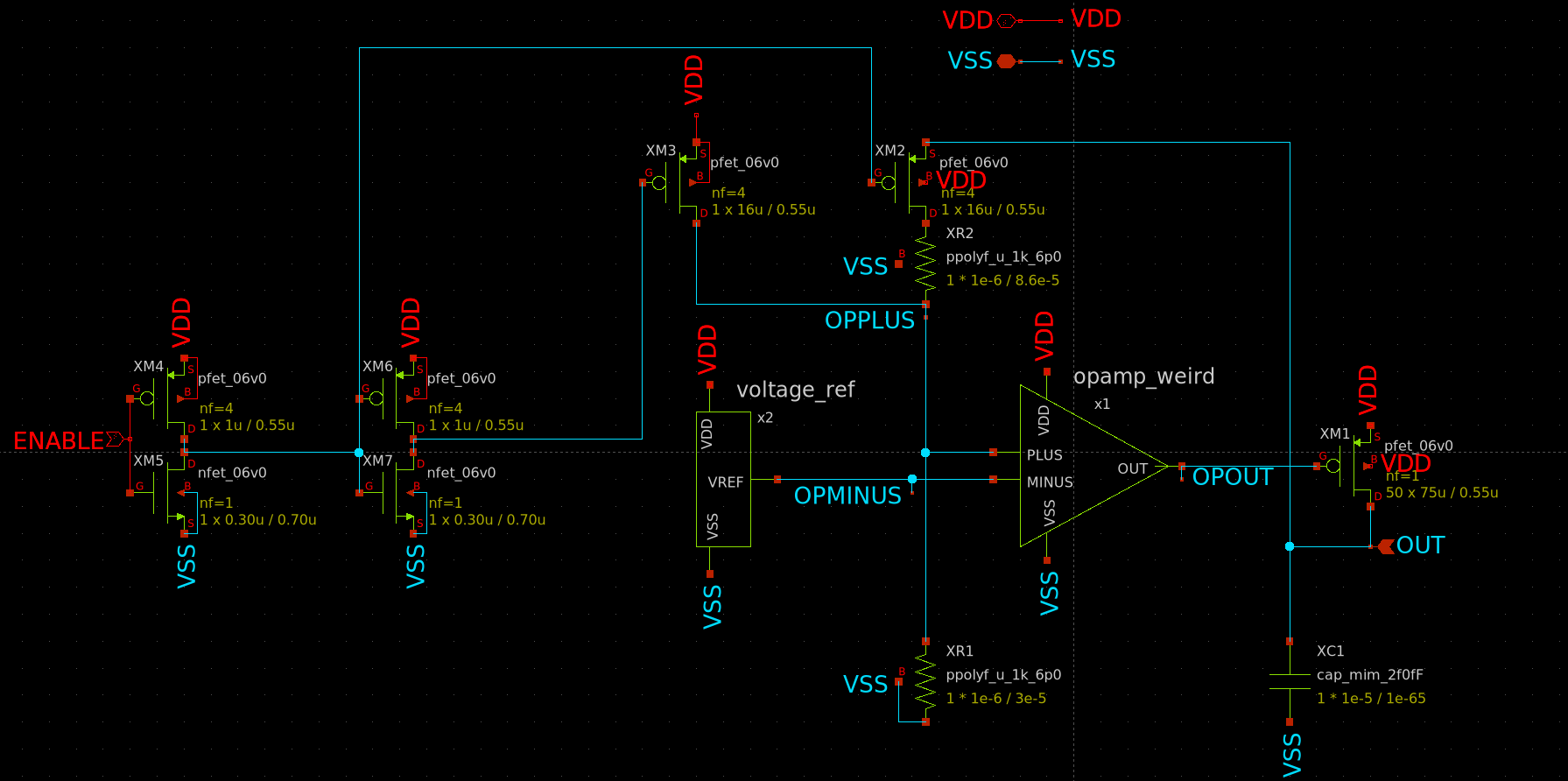

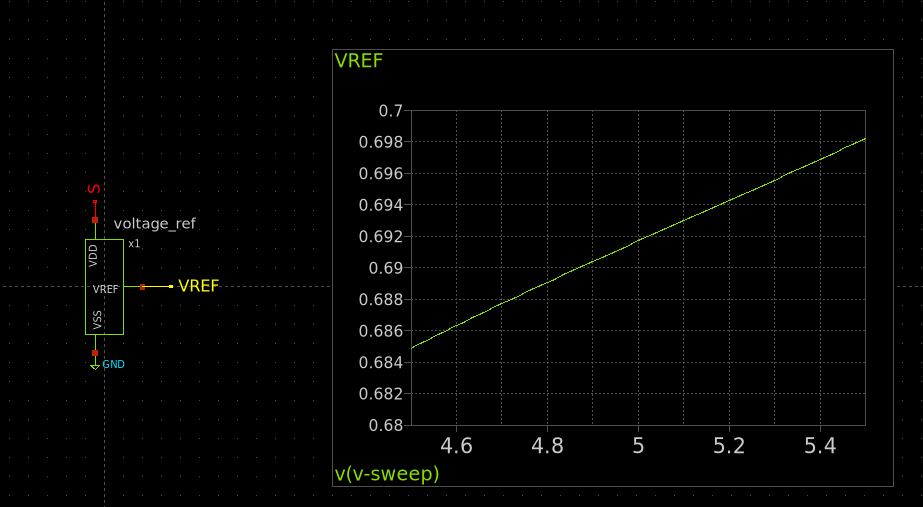
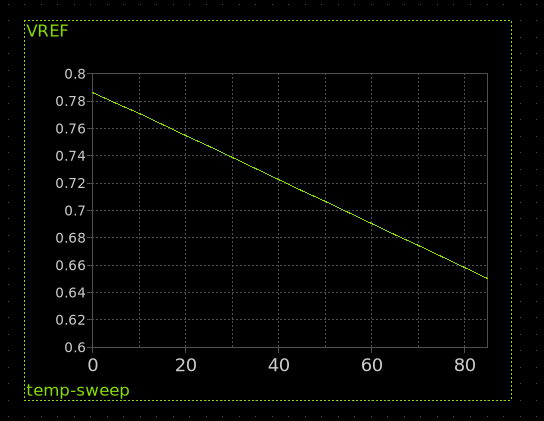
dc temp -20 125 5https://github.com/AvalonSemiconductors/ws-charge-controller/tree/main/analog/xschem ? 1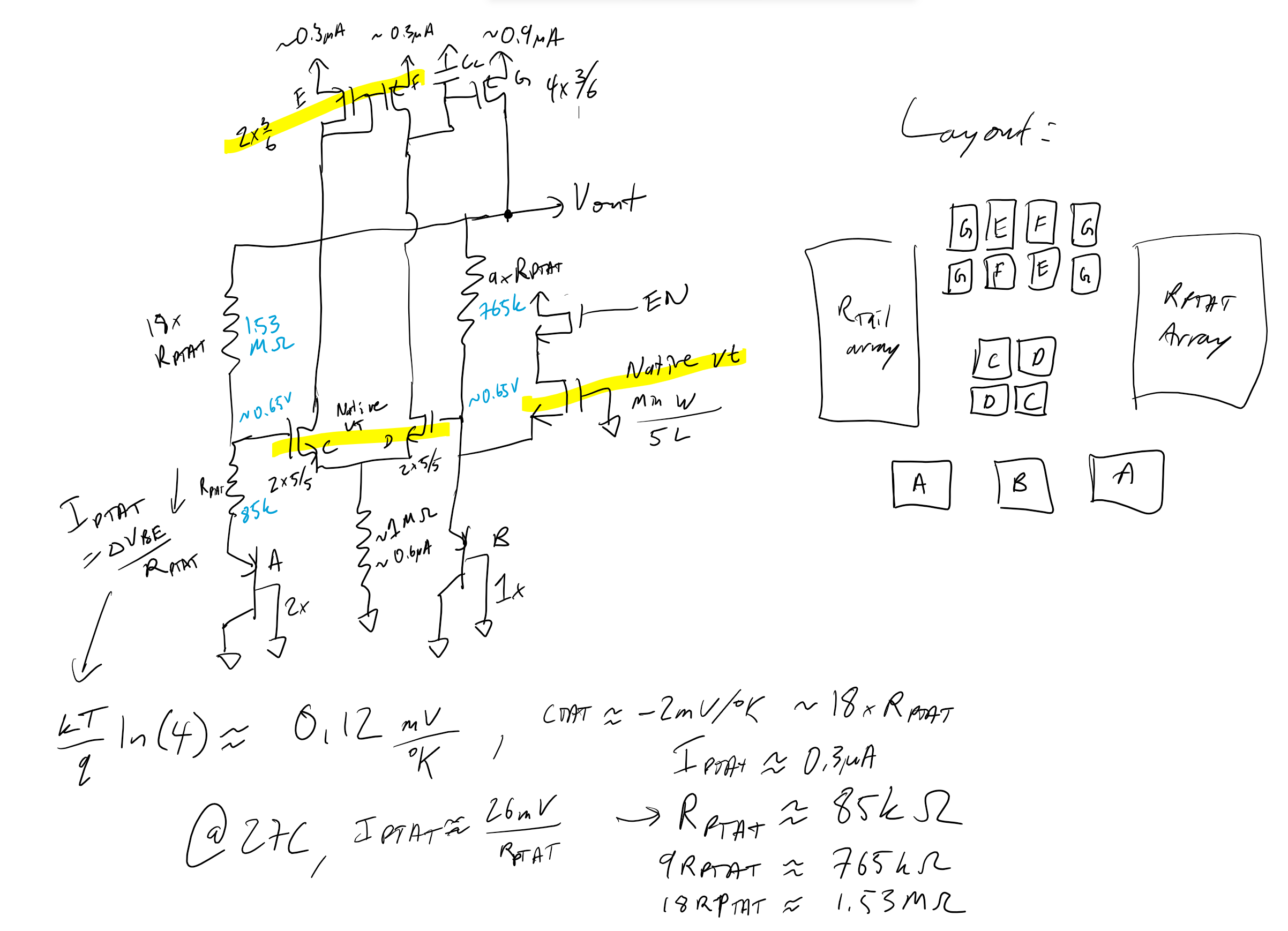
 1

 1
 1
ln(4) be ln(2) if you're using only 2x size ratio ?ln(4) be ln(2) if you're using only 2x size ratio ? ln(4) be ln(2) if you're using only 2x size ratio ? AAA
ABA
AAA
pattern for your diodes/bjt's (edited) 1
AAA
ABA
AAA
pattern for your diodes/bjt's (edited) 2 1
.DC sweep that has plenty tunables statistically calibrated to the measurement results.
(E.g., my plan is to measure many dozens of dies wire bonded to regular COB-with-mezzanine-on-the-back at a cost of 1500$ (incl. @Tim 'mithro' Ansell 's profit margin) for all 1000 dies, take the existing SPICE models and (just using purely synthetic bias conditions and device sizing and at least a bit of manually copying-over the physical structure parameters) initially port/convert them from the current legacy BSIM4 models to numerically far far less crusty PSP103 (probably actually PSP104 these days...), and then do a huge model fit ("parameter estimation") compute run that tries to dial in the PSP103 model cards and some extraction tunables to explain the multimeter logs (it obviously has to estimate the local mismatch "random variable" values for each measured die; because I'd get statistically supported estimates on just how much this local mismatch really is for all the devices that suffer enough to make mismatch modeling relevant, I'm actually interested in favoring measuring more individual dies instead of just spamming more bias condition samples onto each measured die, after like some thousands (probably less than a million!) of samples per DUT and die). 1
 ) )
not (COMP or DUMMYCOMP) is filled with STI (modulo setback/slope effects of the STI sidewalls)COMP.not (COMP or DUMMYCOMP) is filled with STI (modulo setback/slope effects of the STI sidewalls) (COMP OR DUMMYCOMP) is allowed to have 1DCF.1b min 25%; DCF.1d max 70%. 1
D1 G S G D2 G S would be the most direct compact layout. In theory it's balanced/symmetric, except for junction capacitance (we already know that's something to minimize and you can't really minimize that when you're trying to keep that matched) and STI stress because left of D1 and right of S there's a chunk of STI and the outer gates feel more strain than the inner gate. )COMP)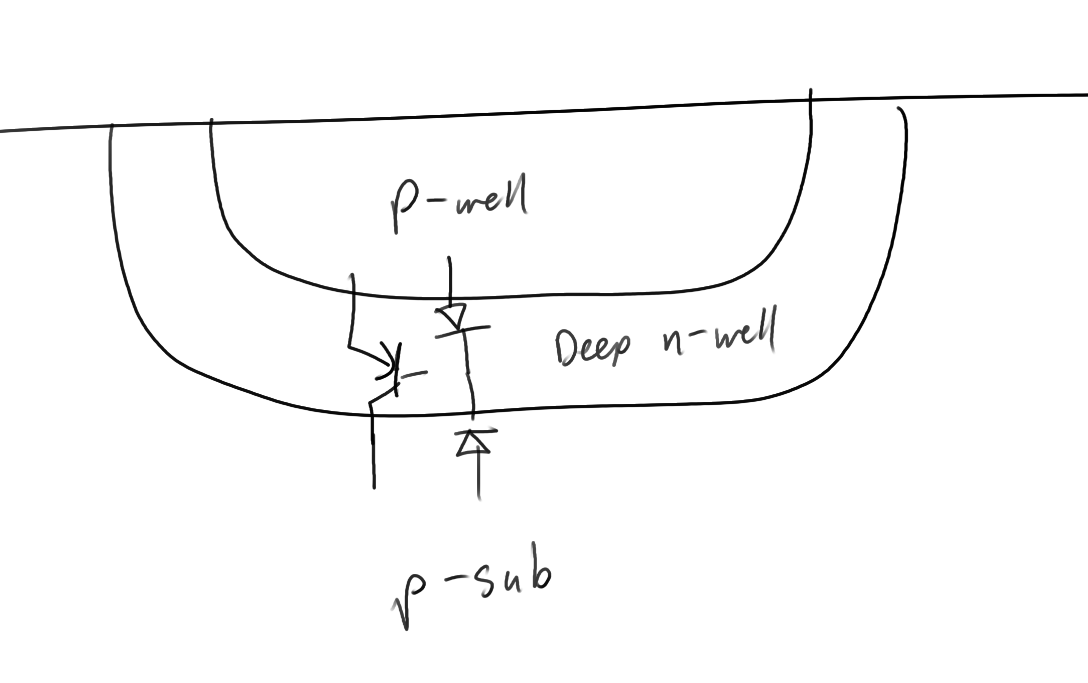 1
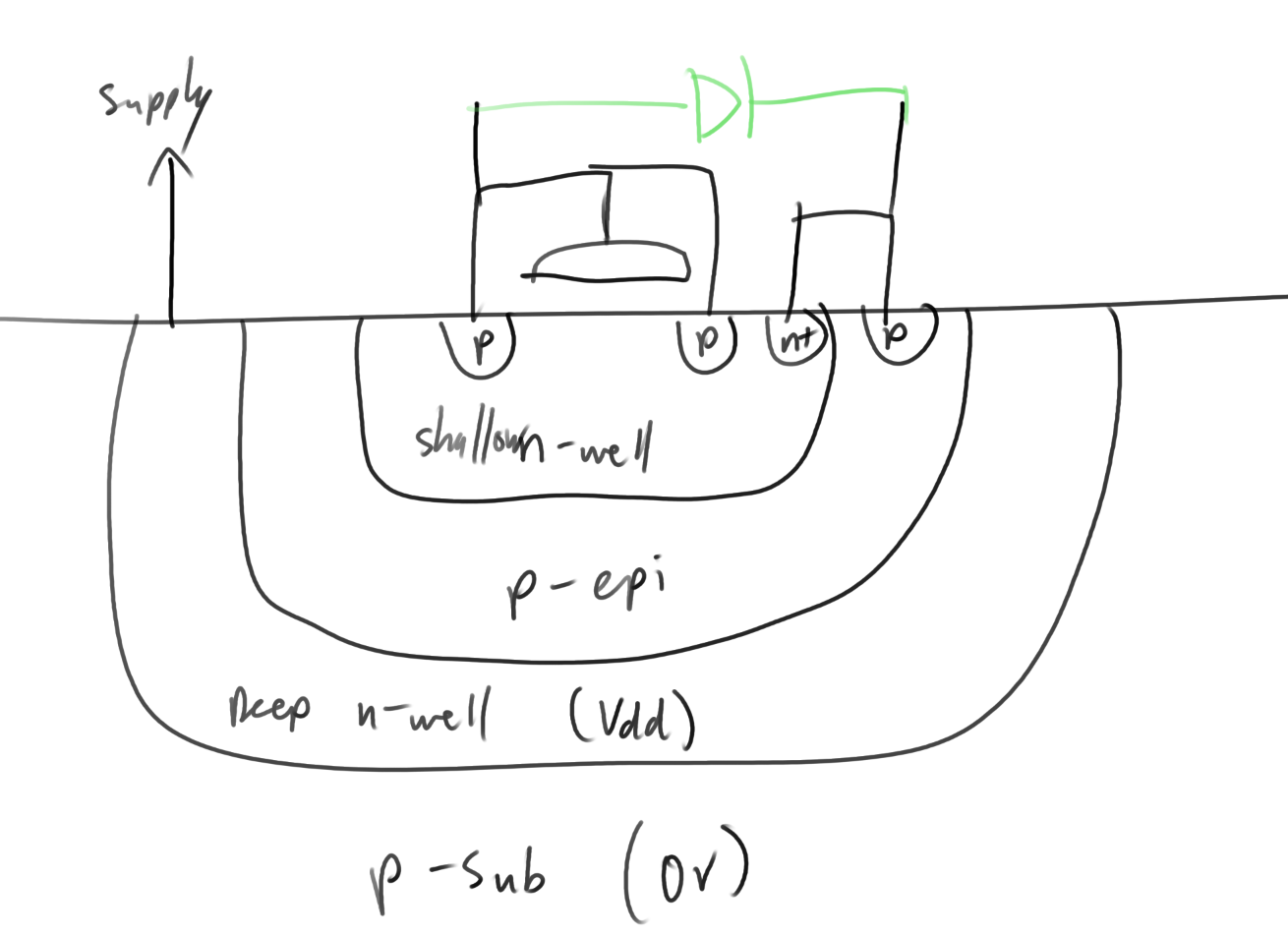
 1