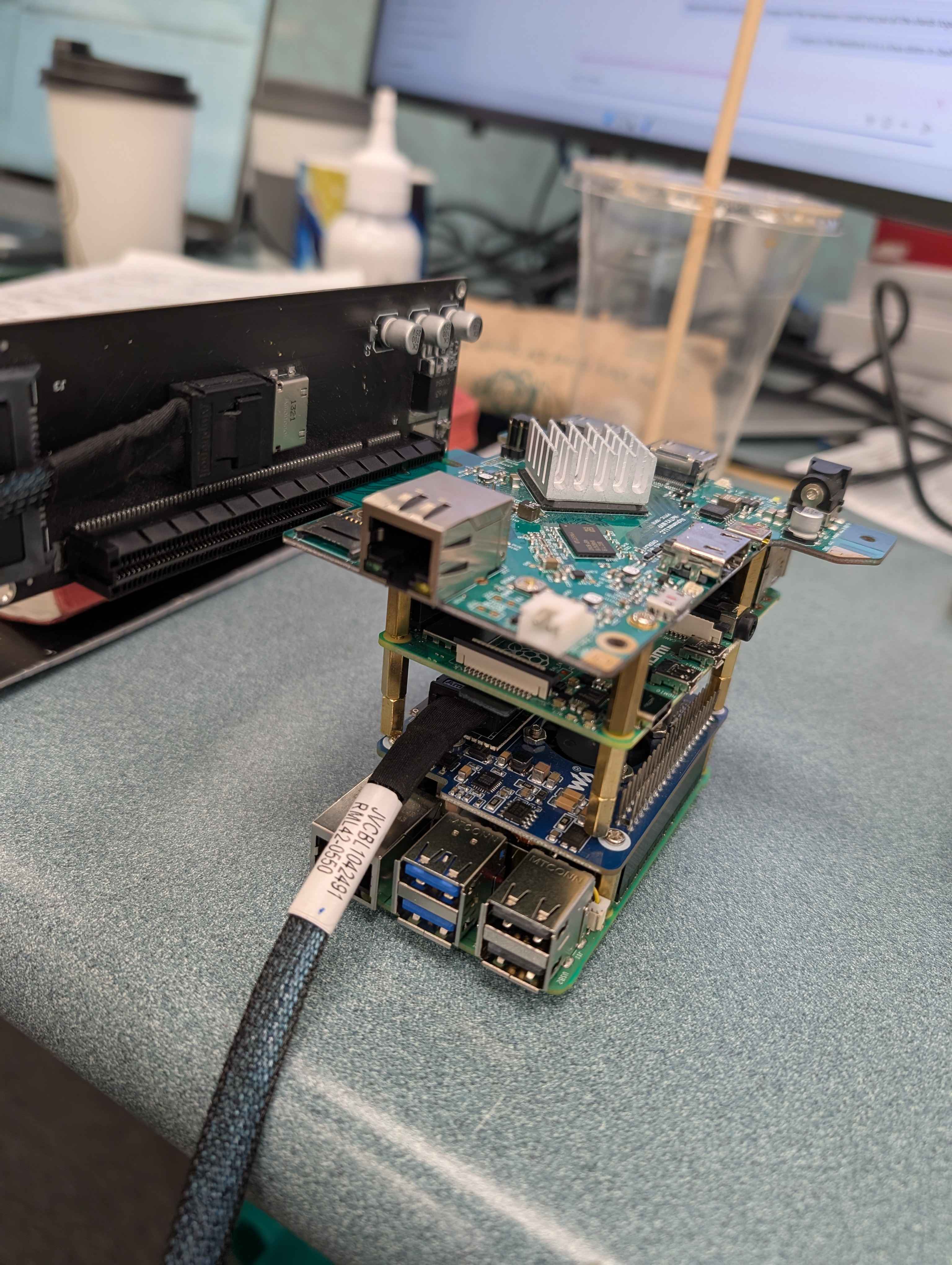
This is a channel dedicated to the continued development of https://fpgas.online/ which has previously primarily been developed by @carlfk with the funding provided by @Tim 'mithro' Ansell
The two current highest priority items for development are:
Getting all Tiny Tapeout boards onto the site in similar manner as existing Tiny Tapeout 6 board.
Getting @bunnie's NeTV2 boards into the site
Other lower priority items include:
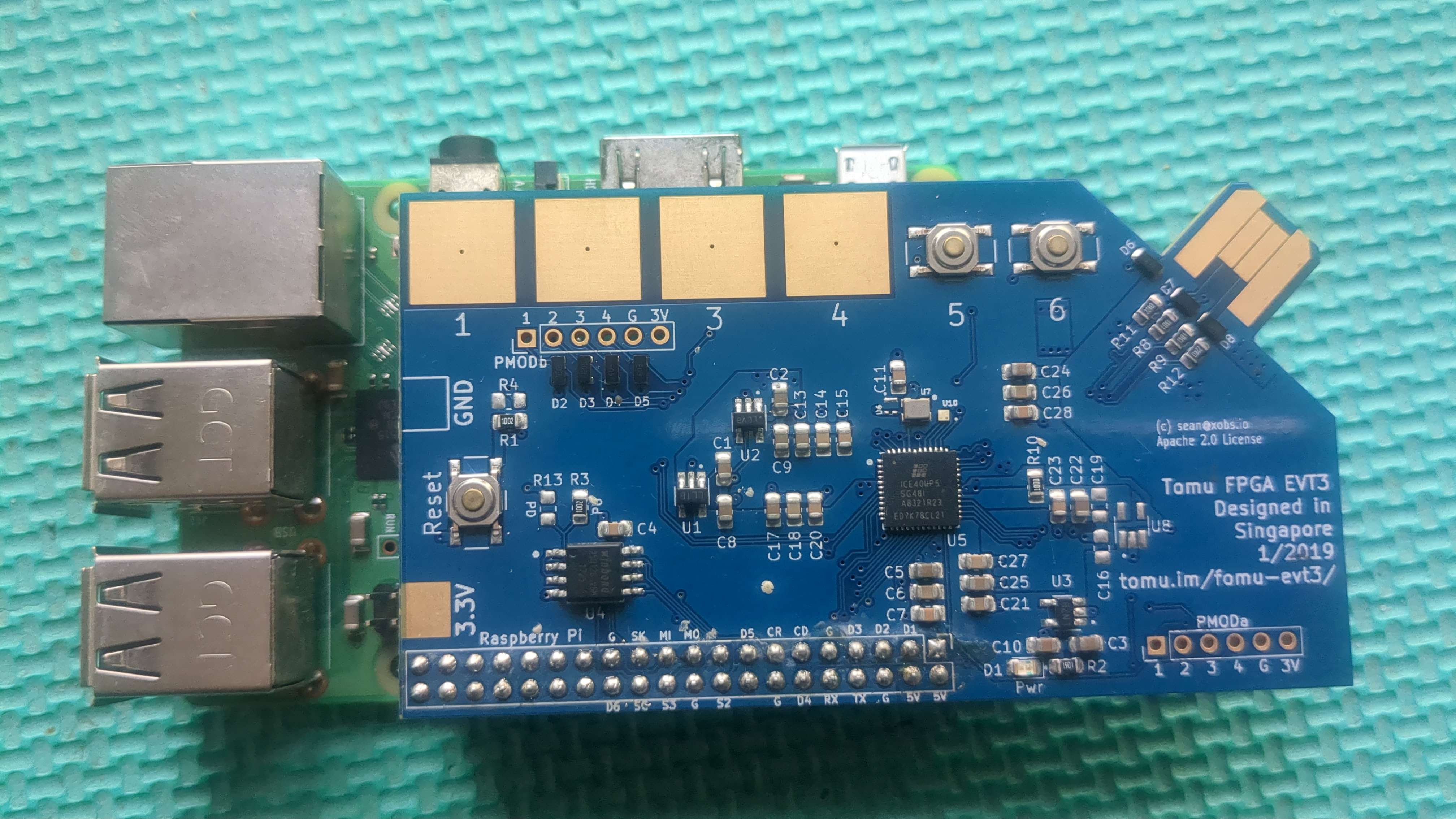
Getting Tim's other FPGAs into the site, these include @Xobs's Fomu (Tim has pratically unlimited), @Greg's Butterstick (Tim has 8 devices) and @GoranMahovlic's ULX3S (Tim has ~12 devices), GreatScottGadget's Cythion (Tim has ~12 devices) hardware onto the site.
Actually using fpgas.online for testing open source FPGA projects.
If anyone has ideas on how to get more people to use the site, that is also something we are very interested in.(edited)
@carlfk - @Tisham Dhar (CSIRO EASI) is looking at trying to get my NeTV2 hardware into https://fpgas.online
3:22 a.m.
@carlfk - IIRC I left a bunch of NiteFury with RPi Compute modules and Compute Cluster blades with you?
3:24 a.m.
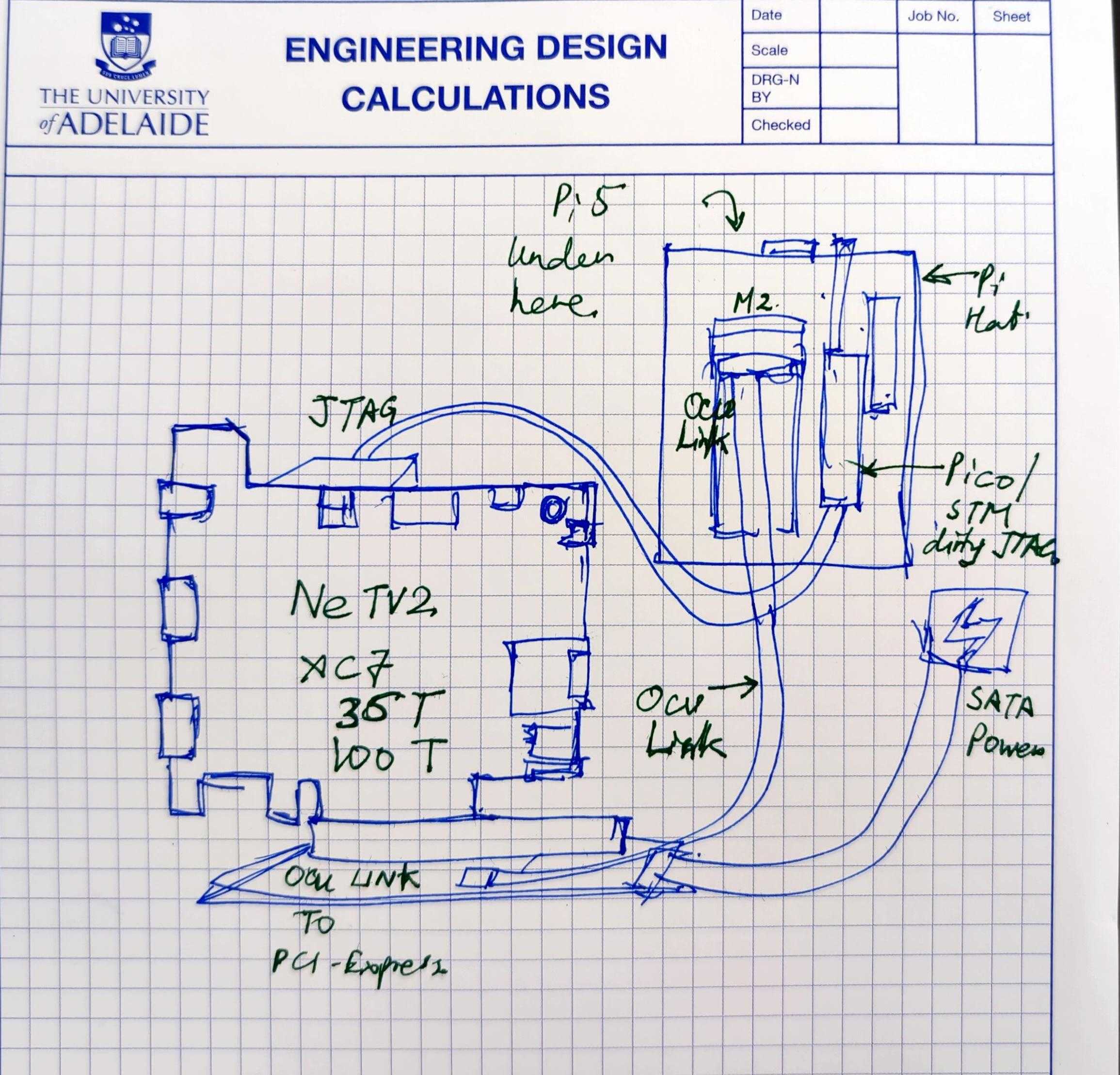
@LukeW - @Tisham Dhar (CSIRO EASI) is having some issues with programming the NeTV2 using an RPi 5 because the GPIO have moved from the Broadcom device to the RP1 hardware. I believe the PIO hardware in the RP1 should allow us to do significantly better JTAG driver than what is currently in OpenOCD / openfpgaloader.
This is awesome! Way to go @carlfk!
I've been seeing a lot of work being done here on other channels. Looking forward to seeing more.
3:52 a.m.
I was having a thought the other day.
I know that @asic destroyer ran a whole simulation of his new linux asic, and was curious what size FPGA you would need to do that same thing, and if that would even be applicable here.
I assume that is something larger than you could load on to one of the ARTYboards?
Working version with upstream openocd and pcileech as sample gateware
/opt/openocd/src/openocd -c "set BSCAN_FILE /home/k8s/netv2mvp-scripts/bscan_spi_xc7a100t.bit" -c "s...
8:43 a.m.
May need a kernel module to make pcileech arrive as a device on the raspi5 pci bus, I will try an M2 Sata to make sure PCI is indeed connected.(edited)
8:50 a.m.
I think a NiteFury / 200T can run a Linux ASIC gateware, depends how complicated it is.
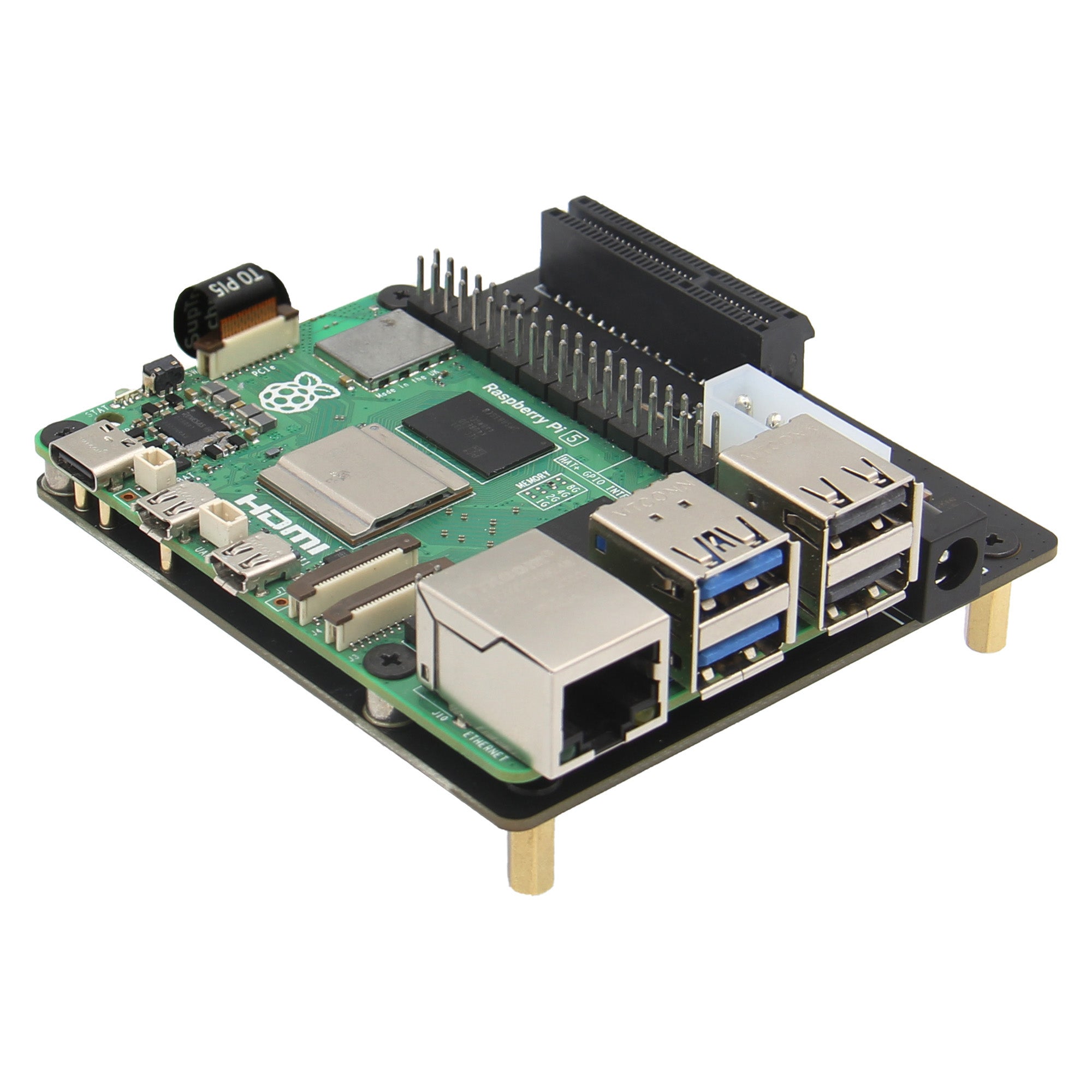
The X1010 PCIe FFC connector to standard PCIe x4 slot expansion board, designed for effortless integration of various PCIe add-on cards such as Graphics cards (GPUs), RAID cards, USB expansion cards, High-speed ethernet cards, Wi-Fi cards, and SSDs to enhance the capabilities of your Raspberry Pi 5. The X1010 features versatile power options, su...
my pj project above was mean to debug pi boot - the pico PIO pins are routed to the Pi jgag. but I also added a header so they could be hooked to somethint else (like NeTV2)
8:36 p.m.
I have no idea if this is helpful, and now I am wondering if being hoked to both will be a problem (seems like it)
8:37 p.m.
oh right, the idea was don't plug the hat into the pi, then it isn't hooked to the pi jtag.
er.. looking at it in Kicad, there is no jtag header. I guess the idea is I can use the pi hat header holes for something else if it isn't on a pi
8:54 p.m.
I am ordering some other boards this week, $5 for boards, $20 shipping. I can tweek and add more PJ boards if you think there is some chance of being useful
8:55 p.m.
I am 1/2 thnking I need that jgag header I thought was there. but not if no one wants it.
We already have a mezzanine in the current stack that breaks out the PCI Express, ideally we need a board under like the sample PCI express above and a JTAG like yours wired from the top to the JTAG pins of the NeTV and perhaps RX / TX , power etc.
9:13 p.m.
9:14 p.m.
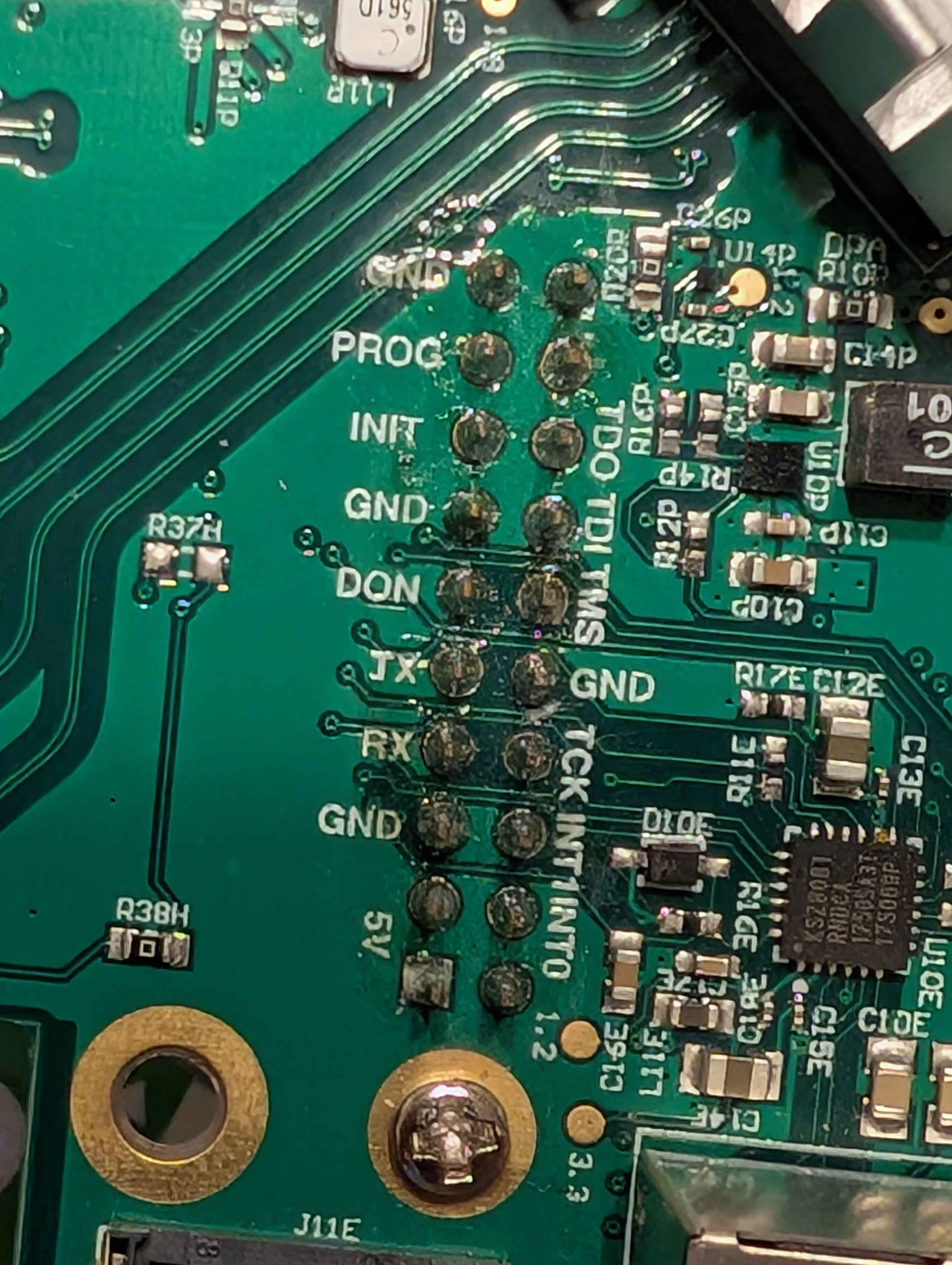
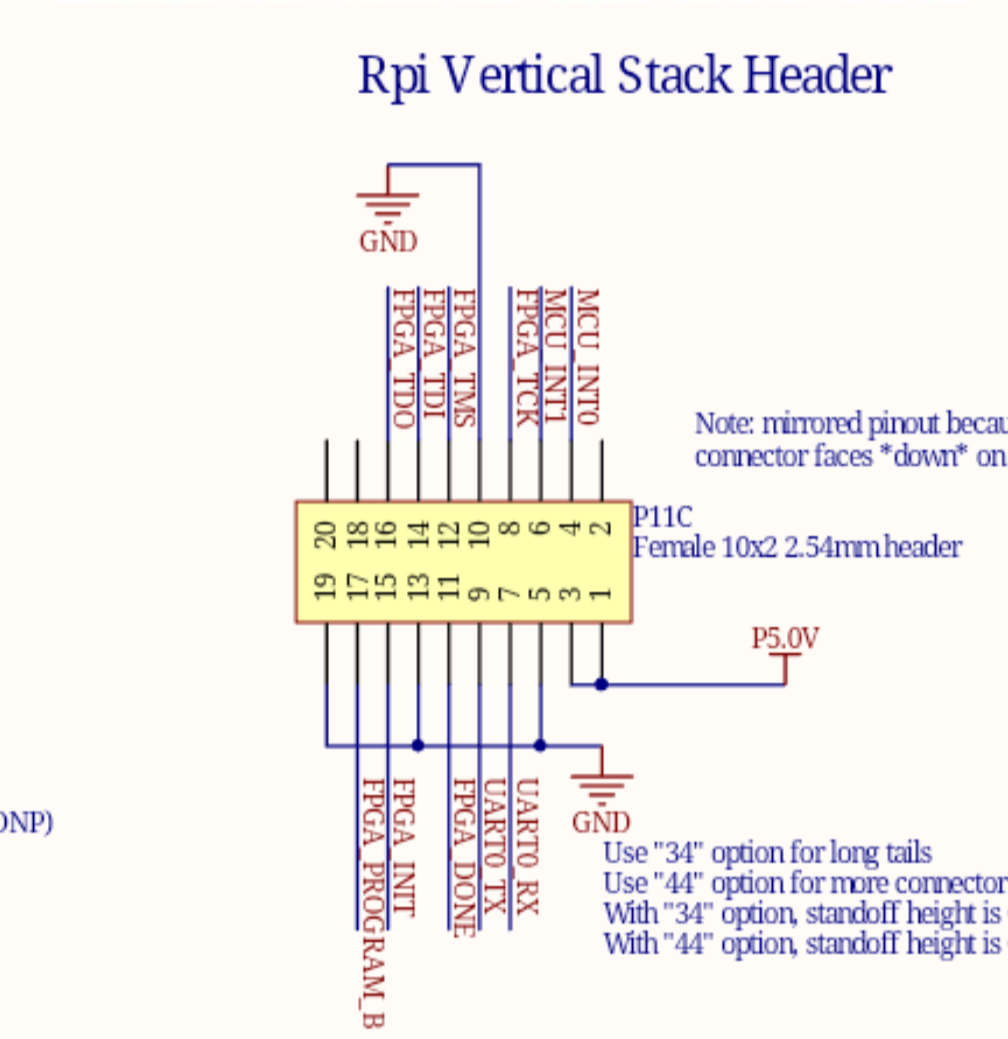
NeTV JTAG that wires itself to the Pi looks like this. This was a good idea for older pi's, since you could bitbang JTAG on those.
9:15 p.m.
And have RX/TX to debug or shell into it after gateware loads.
9:18 p.m.
Out of interest, what kind of cable does the RPi PIO JTAG look like to openOCD and openfpgaloader?
Release directory for NeTV2 main PCBA files. Contribute to AlphamaxMedia/netv2-mainboard development by creating an account on GitHub.
Andrew Wingate
I was having a thought the other day.
I know that @asic destroyer ran a whole simulation of his new linux asic, and was curious what size FPGA you would need to do that same thing, and if that would even be applicable here.
I assume that is something larger than you could load on to one of the ARTYboards?
I guess, I was wondering if someone would be able to easily use your guy's internet facing FPGA's to validate designs somehow.
Seems they aren't up to the task.
Andrew Wingate
I guess, I was wondering if someone would be able to easily use your guy's internet facing FPGA's to validate designs somehow.
Seems they aren't up to the task.
Well, it's kind of complicated. The big issue is that the Arty has DDR3 memory but @asic destroyer's design only supports SDRAM (which is what is on the ULX3S).
2
6:06 a.m.
The actually stuff he is putting on the ASIC should work fine on both FPGAs in theory
6:06 a.m.
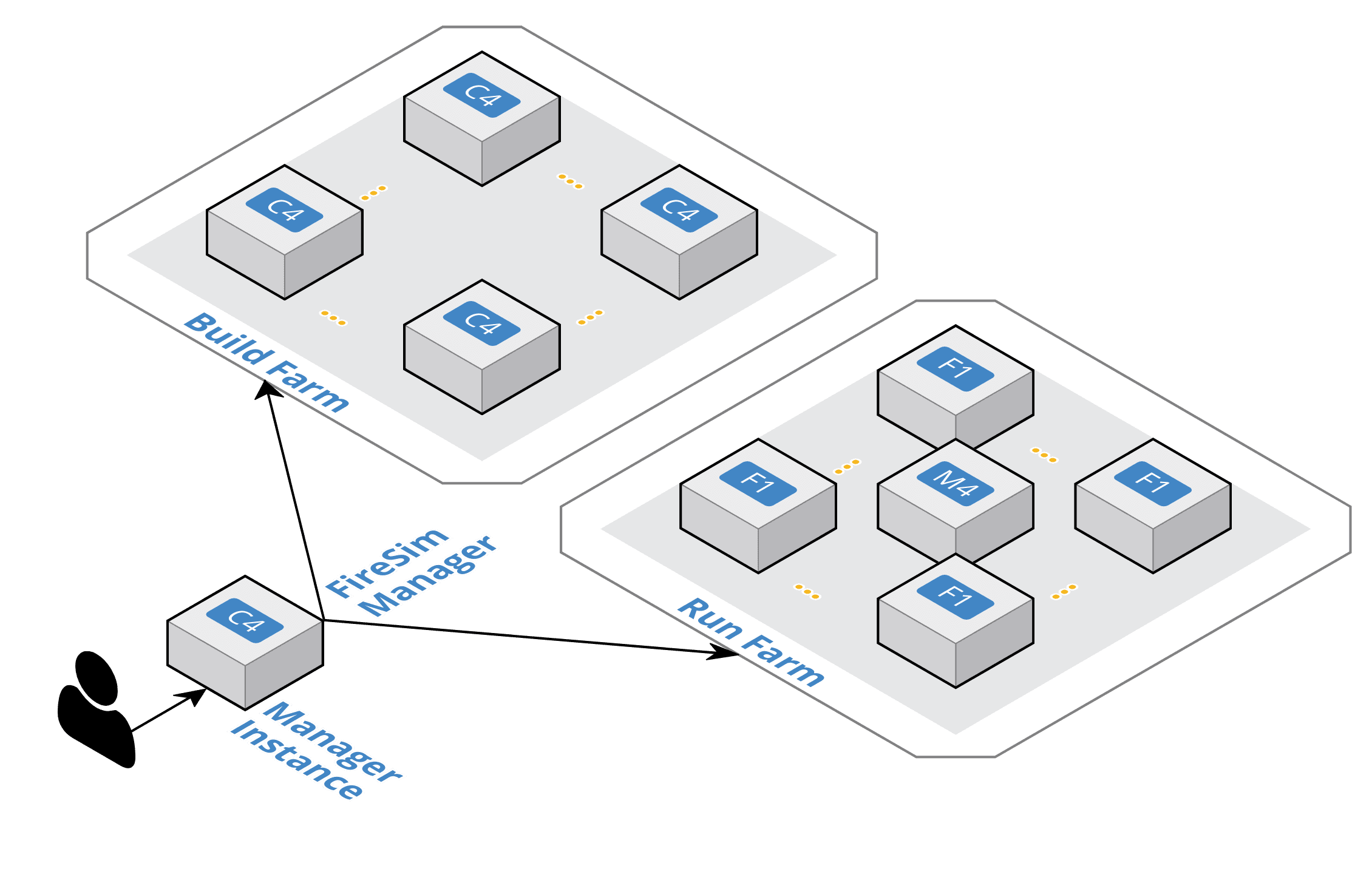
But really you want something like https://fires.im/ -- that makes the FPGA be an ASIC simulation accelerator
FireSim is an open-source (https://github.com/firesim/firesim) FPGA-accelerated full-system hardware simulation platform that makes it easy to validate, profile, and debug RTL hardware implementations at 10s to 100s of MHz. FireSim simplifies co-simulating ASIC RTL with cycle-accurate hardware and software models for other system components (e.g...
6:09 a.m.
@Andrew Wingate - I have a bunch of the high end boards which people use for things like that. But as they are like $20k USD each I'm less happy to put them randomly on the internet for anyone to access.
6:10 a.m.
The NeTV2 and NiteFury cards that @Tisham Dhar (CSIRO EASI) is playing with might be a good option for doing small firesim like stuff with the PCIe connection.
@Tim 'mithro' Ansell can probably get sources fully uploaded by Bunny and we can get it all converted to KiCAD and make more , I have found the SQRL Acorn quite affordable due to crypto craze. Just need to reverse engineer and open it.
Tisham Dhar (CSIRO EASI)
Does this indicate the NeTV2 I have is a 100T ? 0x13631093 is the IDCODE for a Xilinx Artix-7 FPGA
According to AI - The JTAG IDCODE 0x13631093 decodes specifically to a Xilinx Artix-7 XC7A100T FPGA.
I'm guessing you have one of the special "dev" NeTV2 which had the 100T rather than the 35T part?
Tisham Dhar (CSIRO EASI)
@Tim 'mithro' Ansell can probably get sources fully uploaded by Bunny and we can get it all converted to KiCAD and make more , I have found the SQRL Acorn quite affordable due to crypto craze. Just need to reverse engineer and open it.
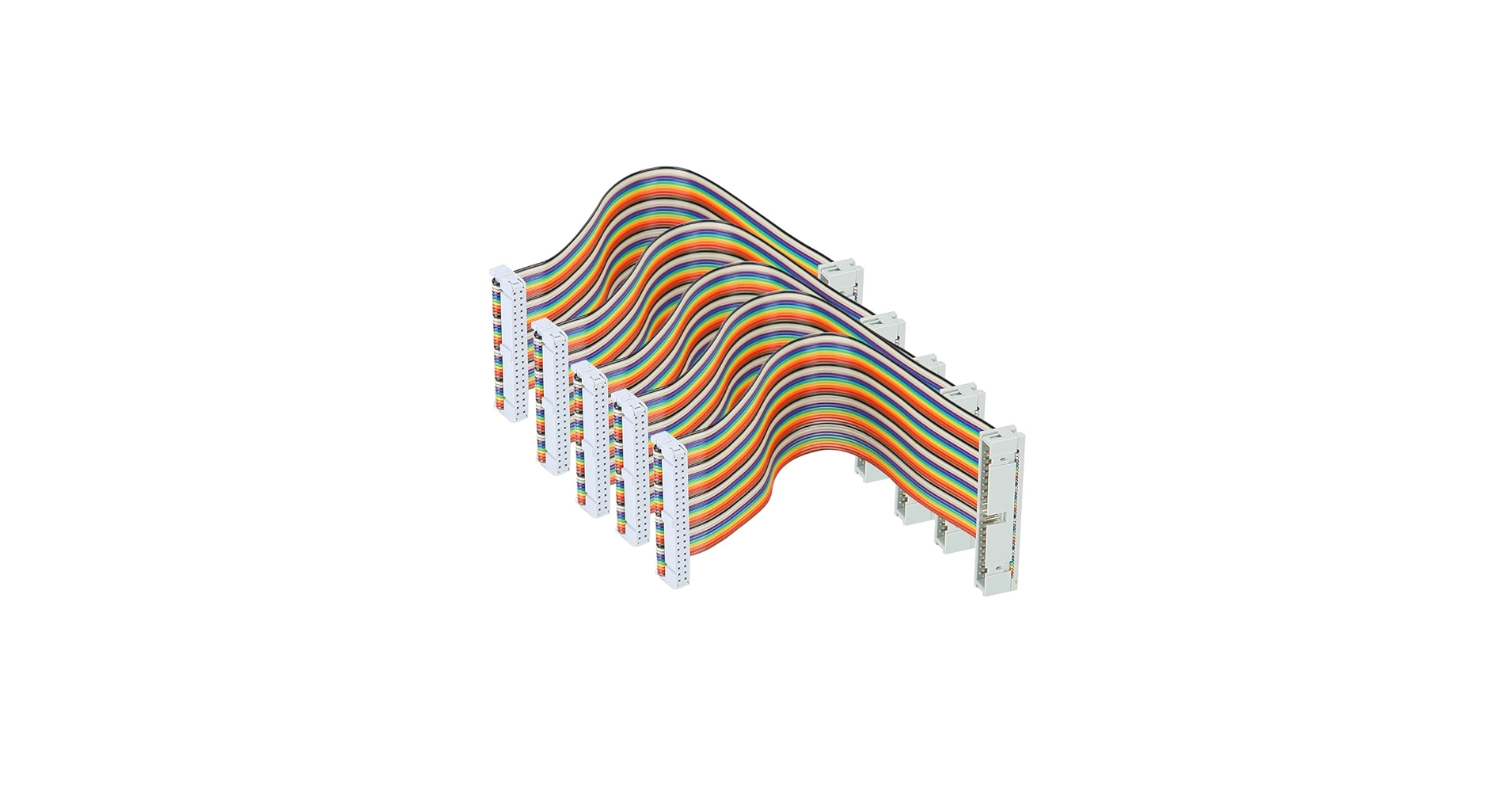
We need an RPi hat that attaches a dirty JTAG to those pins, passes through power and Rx TX and may be interrupts , not sure what those do. And also has a PCIe ribbon cable M2 thingie or just an oculink connector at the edge.
10:17 p.m.
But it will be specific to the NETV2
10:17 p.m.
Not sure how many of those are out in the wild.
10:19 p.m.
I suspect the Pci-leech gateware I am loading is for a 35T precompiled and I am loading on a 100T so it is barfing. I have to setup litex and Vivado and all that jazz to compile gateware for the 100T and do a hello world and see.
10:20 p.m.
I wish OpenOCD had the cross-walk to tell me the FPGA type without giving me a hex.
Quickstart for building FPGA code for NeTV2. Contribute to AlphamaxMedia/netv2-fpga development by creating an account on GitHub.
5:29 a.m.
Wonder if I can get a pre-built stock gateware for 100T or get that repo maintained for 2026. Last commit from Bunnie points towards the shifting sands of sourcing toolchains at the bleeding edge
I'll be presenting some of my latest work on Xous & Baochip with @Xobs at #39C3 on Day two, 11PM room One:
fahrplan.events.ccc.de/congres…
Hope to see you there!
For more on Baochip, checkout bluesky: bsky.app/profile/baochip.com or read the source at github: github.com/baochip/baochip-1x
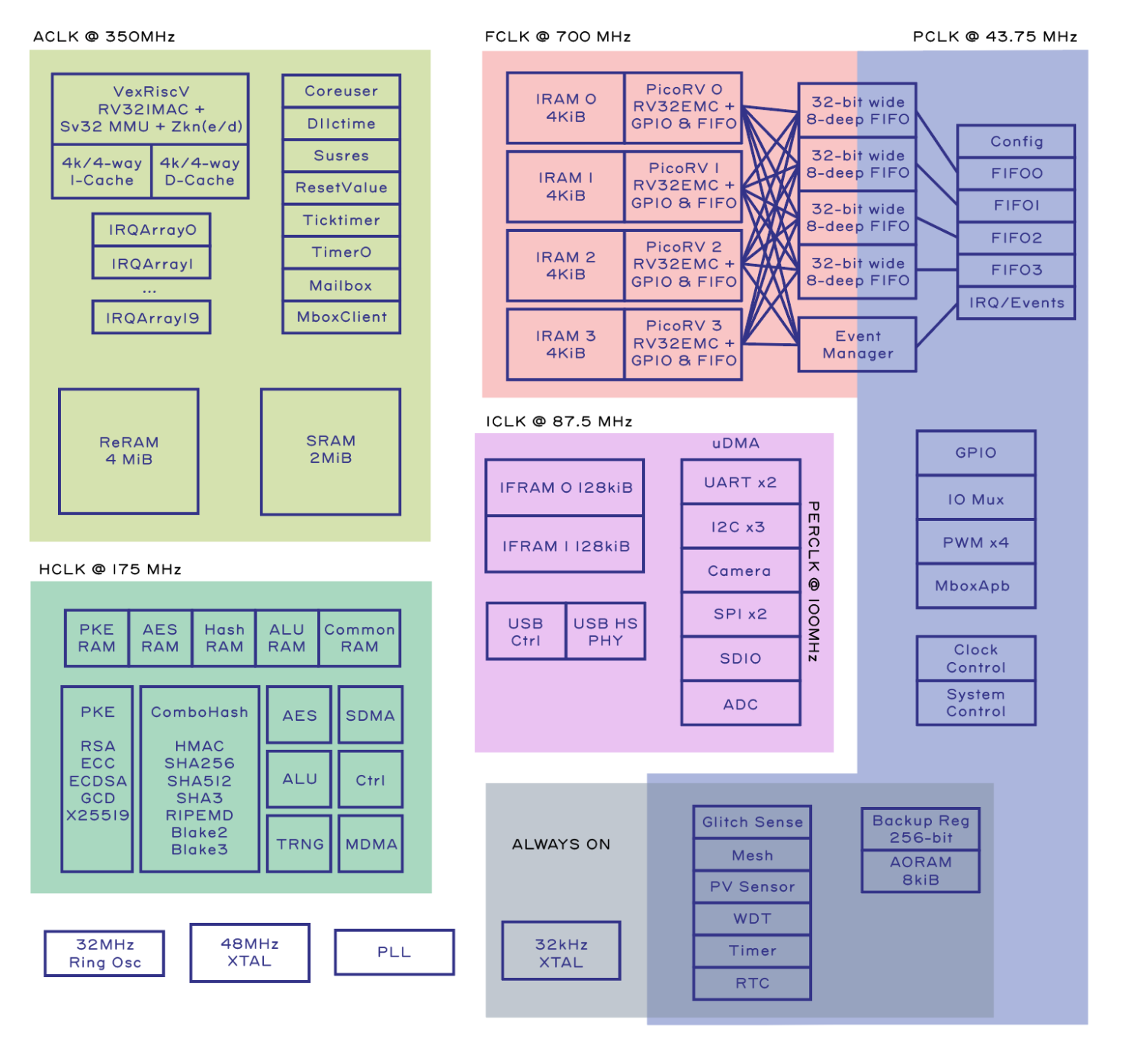
The TL;DR is that Baochip is a "mostly-open" RTL SoC in 22nm TSMC, purpose-built for Xous and expressly packaged for IRIS inspection. It packs in five RISC-V CPU cores (one Vexriscv CPU at 350MHz, and four PicoRV's at 700MHz), 2MiB on-chip SRAM and 4MiB on-chip RRAM (basically FLASH).
I'm aiming to have the chip broadly available by early 2026. Right now I have first silicon. You can follow development & ask questions on the Baochip discord at discord.gg/yesbcPF9Xy
Sorry, no website yet - I suck at marketing - but hey, at least the source code is up!
this is a good question. unfortunately litex has been a moving target and i haven't been able to keep up with it on NeTV
4:10 p.m.
the best bet is...i need to get back from traveling (currently not at home) and then I have to access my archive machine and dig up the virtual machine I used to build the NeTv2 firmwares
4:10 p.m.
i stopped schlepping that around years ago since the project had been pretty dormant and it took like 40 gigs on my hard drive
4:11 p.m.
if i can resurrect the VM it' should have a snapshot of everything as it was back then and may be able to build some things modulo the fact that i've totally forgotten how to use it and hopefully i even remember the password to log into it
4:13 p.m.
might be a few days before i can try this...i'm kind of compressed until chinese new year. how urgent is it to get a 100T firmware
@Tisham Dhar (CSIRO EASI) - Yeah, know that feeling. It would be nice if f4pga was able to do LitePCIe -- https://github.com/openxc7might be able to do it -- but I wouldn't start with that.
Free and open source FPGA toolchain for AMD/Xilinx Series 7 chips, including Kintex-7. Supports Kintex7 (including 325/420/480t), Artix7, Spartan7 and Zynq7. - openXC7
Overall though it points to a distribution challenge with FPGA / Litex toolchains. I am sure you are working on a solution.
10:20 p.m.
I remember I proposed docker instead of VM's long time ago, but at that time they were not hardware exposure friendly and images would be too big. Which is what we are trying to solve with FPGAs online, instead of distribution of toolchains we can let users come to a pre-installed stack.
10:21 p.m.
Which for context is what I do in my day job, maintain science coding environments for astronomers and earth observation people.
EDDA - "Conda for EDA tools"Conda based system for FPGA and ASIC Dev bit.ly/edda-conda-eda-spec Packaging status can be found at j.mp/edda-status Tasks Split apart the litex-hub/litex-conda-packages repository into compilers, eda, etc. Defork litex-hub/litex-conda-packages, SymbiFlow/conda-pac...
SymbiFlow, LiteX & TimVideos Conda Packages High priority items Cross platform support - IE adding Windows and Mac Cross device support - IE adding non-x86 Linux like Raspberry Pi Improving the documentation Improving the CI and build process Turning conda environment files into a single install ...
11:12 p.m.
I think packaging and distribution is still one of the unsolved problems in computer science
Not in a rush if the netv-fpga repo is updated such that it points to the right submodules I can take it from there. Hopefully that doesn't require dusting off your Vivado VM.
Tisham Dhar (CSIRO EASI)
I will get the Vivado going , then come back here. Last time AMD site would not let me register and download Vivado.
I can't even register and get it now. I think they might just be blocking everything now....
Tisham Dhar (CSIRO EASI)
Not in a rush if the netv-fpga repo is updated such that it points to the right submodules I can take it from there. Hopefully that doesn't require dusting off your Vivado VM.
I think what happened is Litex restructured its repos in a fundamental way so the submodules are dangling due to that. what I might be able to do is just vendor in a copy of the stuff "detaching" it from the history, since it sort of doesn't matter because they broke the chain of commits by restructuring the repo
11:06 a.m.
like i think they actually deleted some repos and paths so there's nothing to even refer to
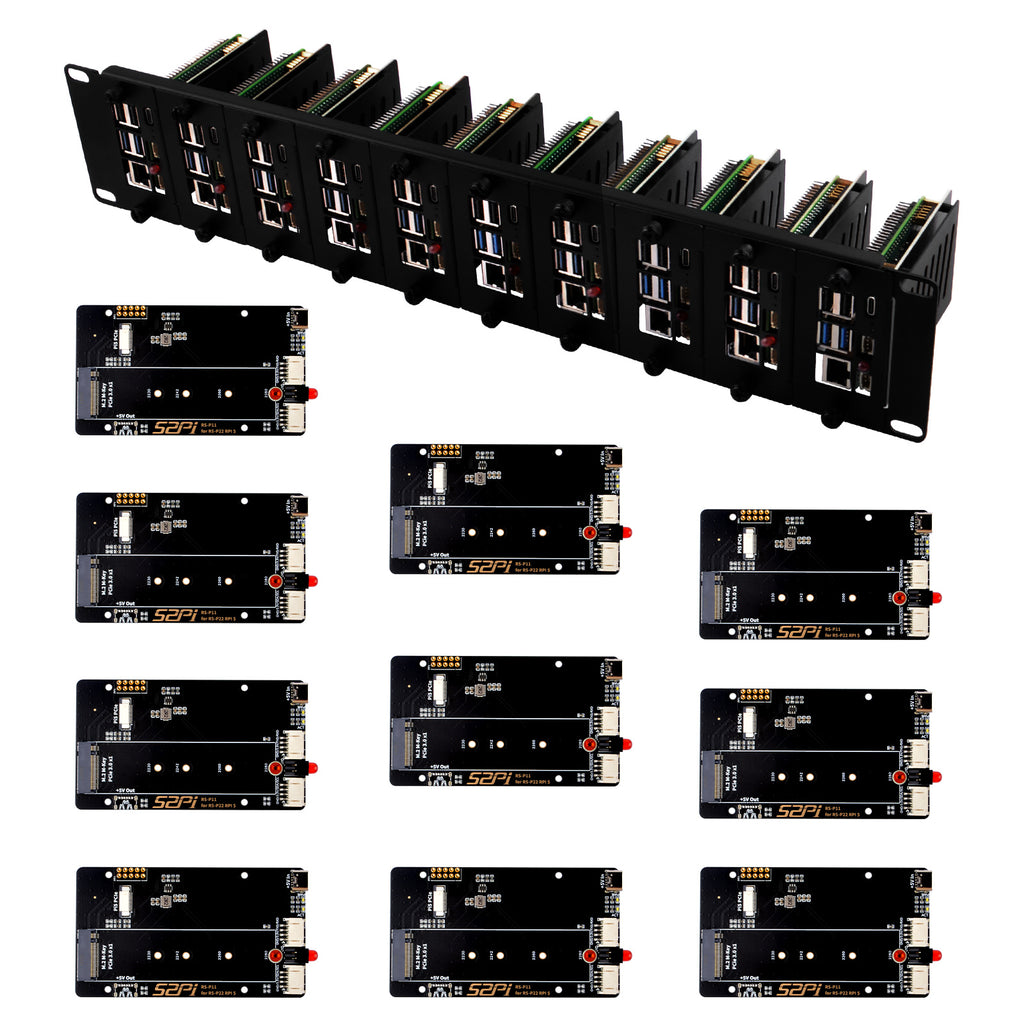
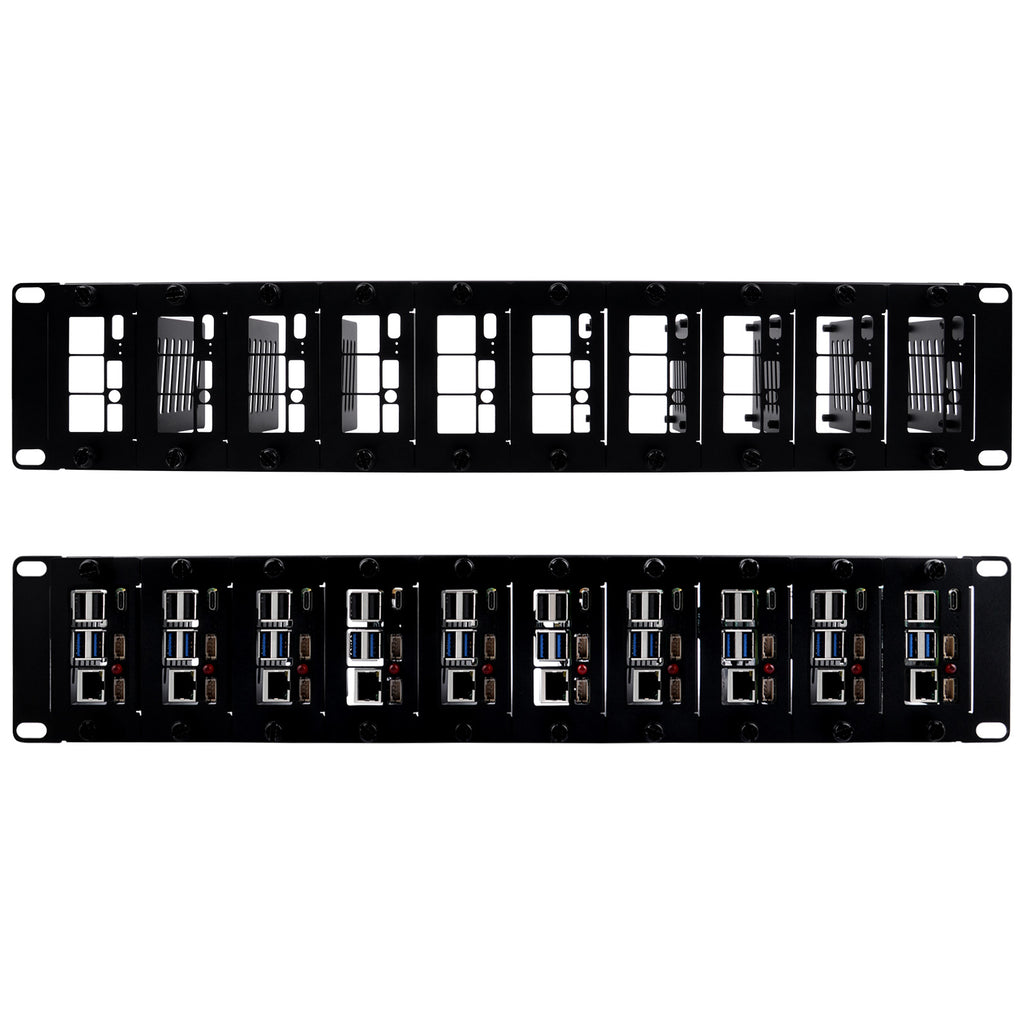
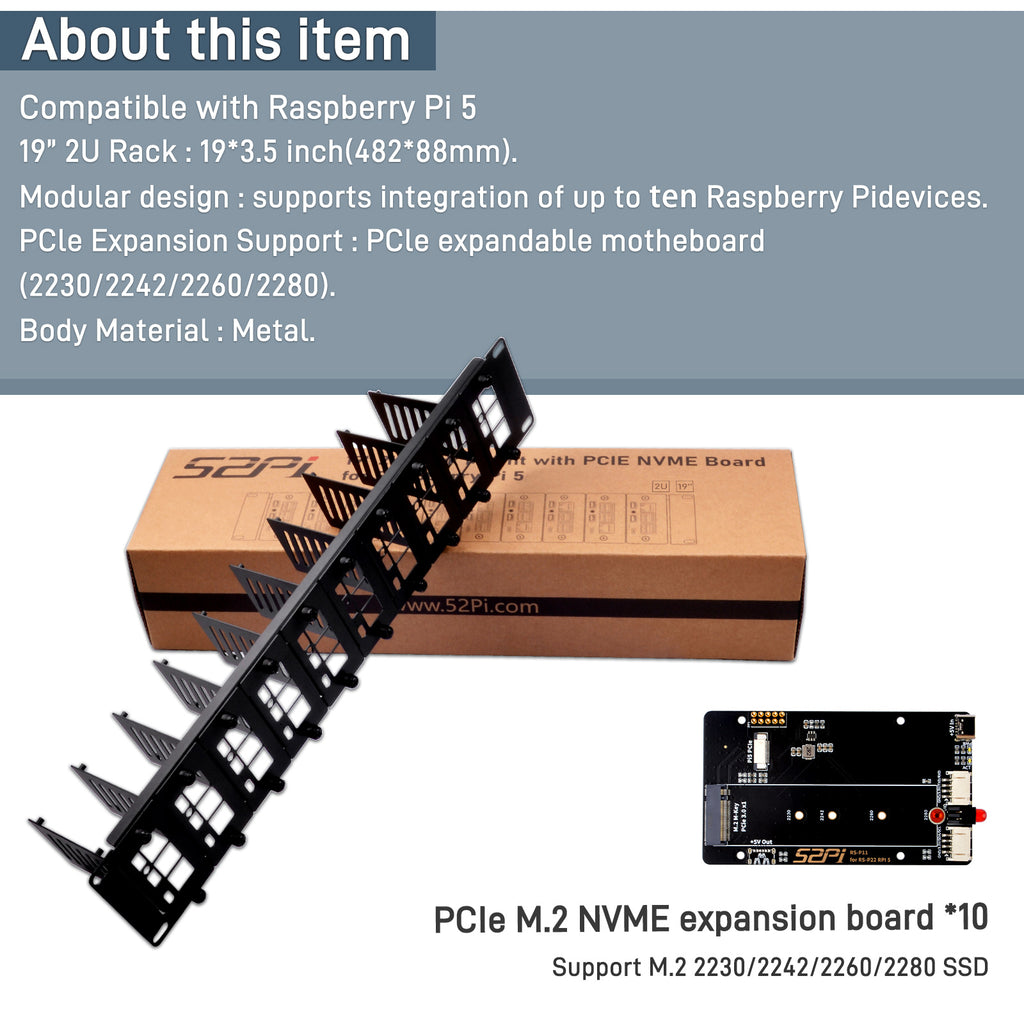
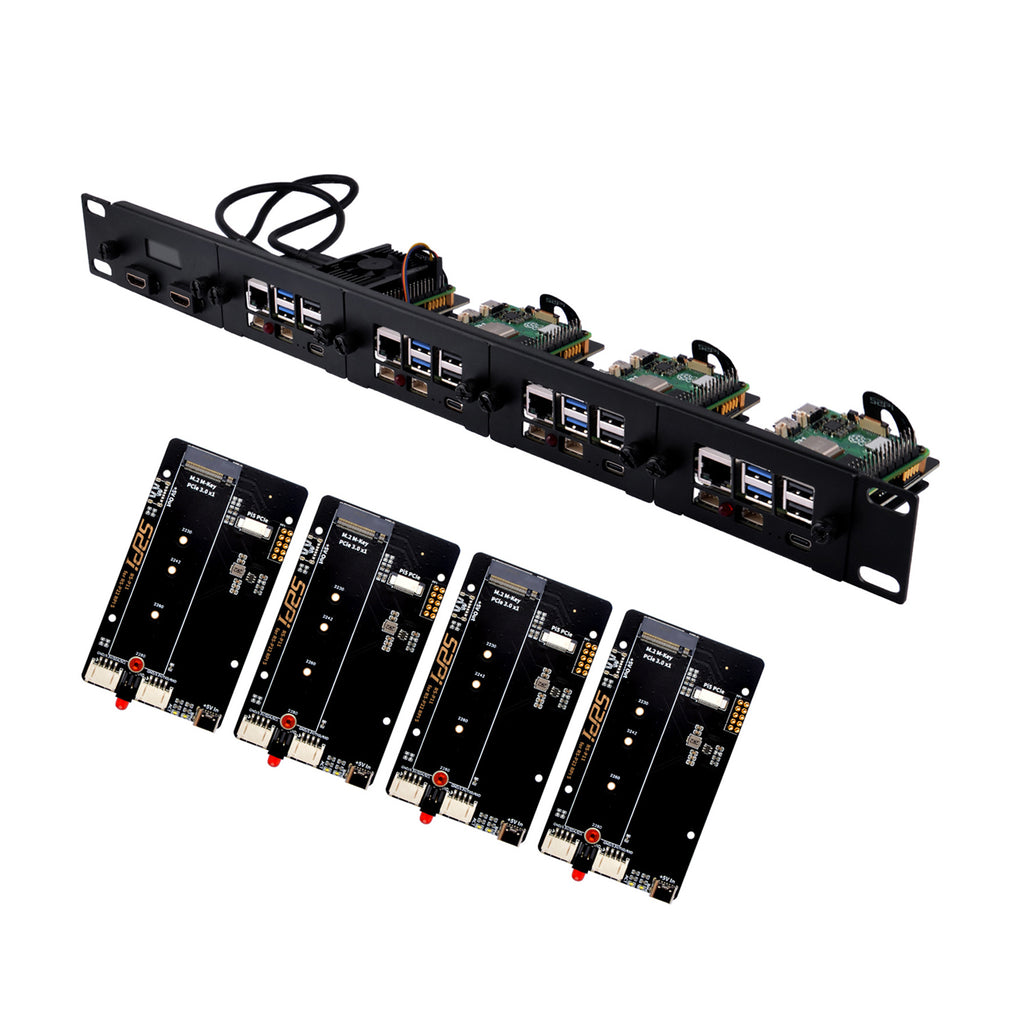
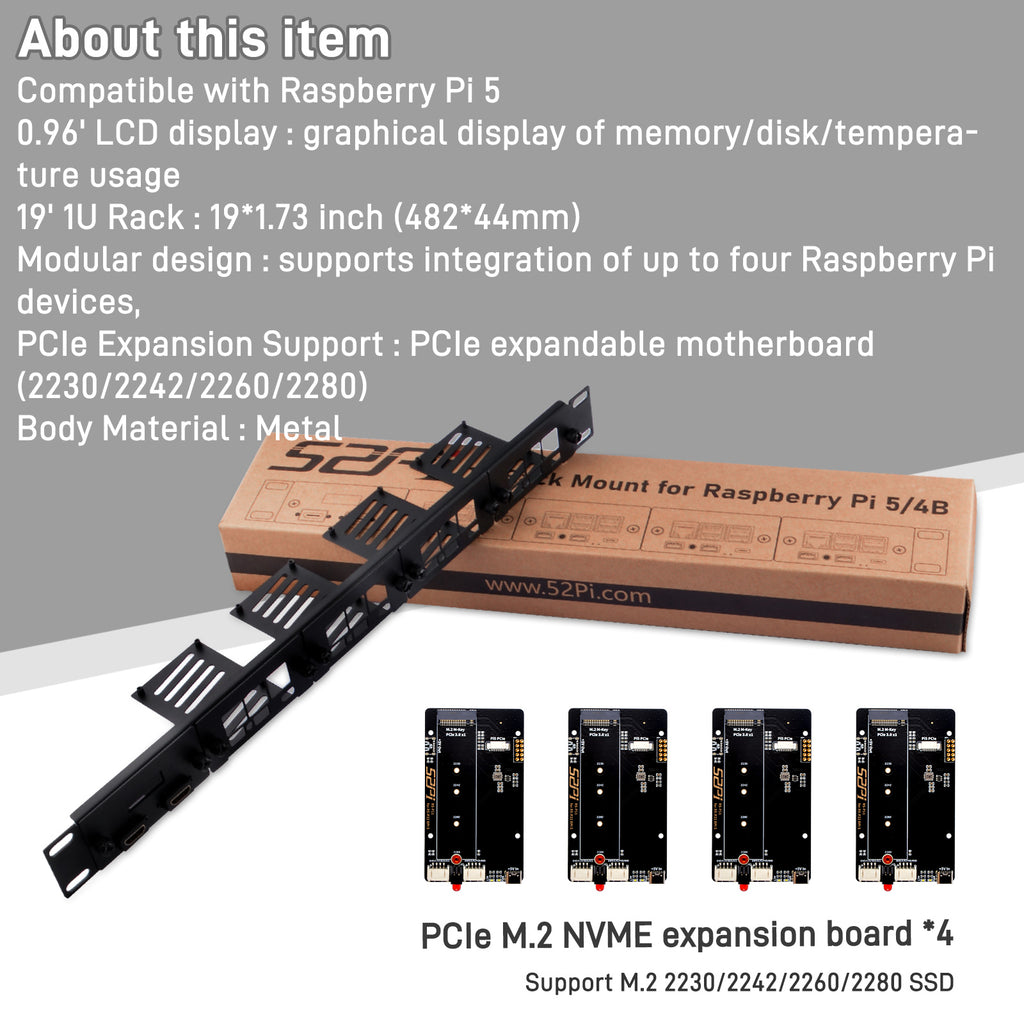
Good news! This product can be shipped from the US overseas warehouse, and the shipping fee for US orders will be reduced. If you have any questions, please contact us. [Description] The 2U Raspberry Pi Rack is a versatile and efficient solution for housing up to ten Raspberry Pi units, compatible with the Raspberry Pi
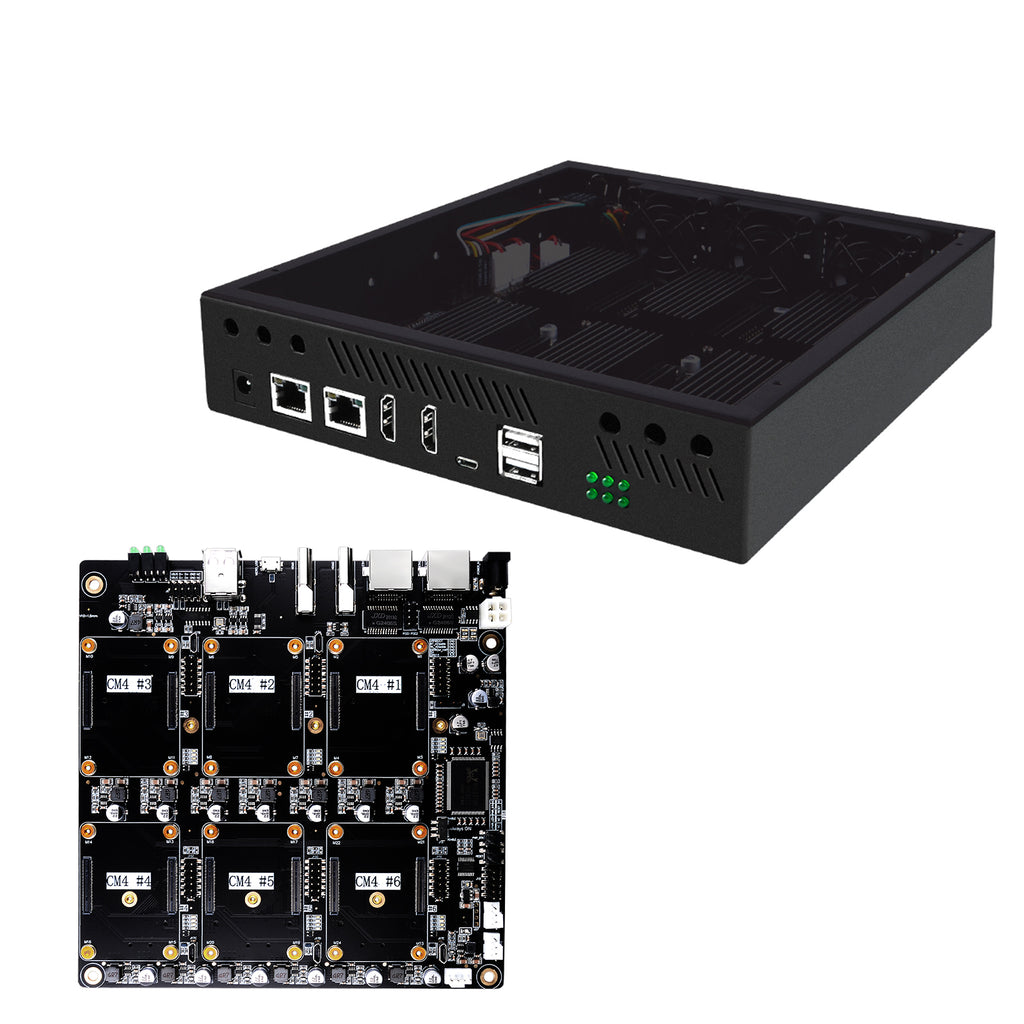
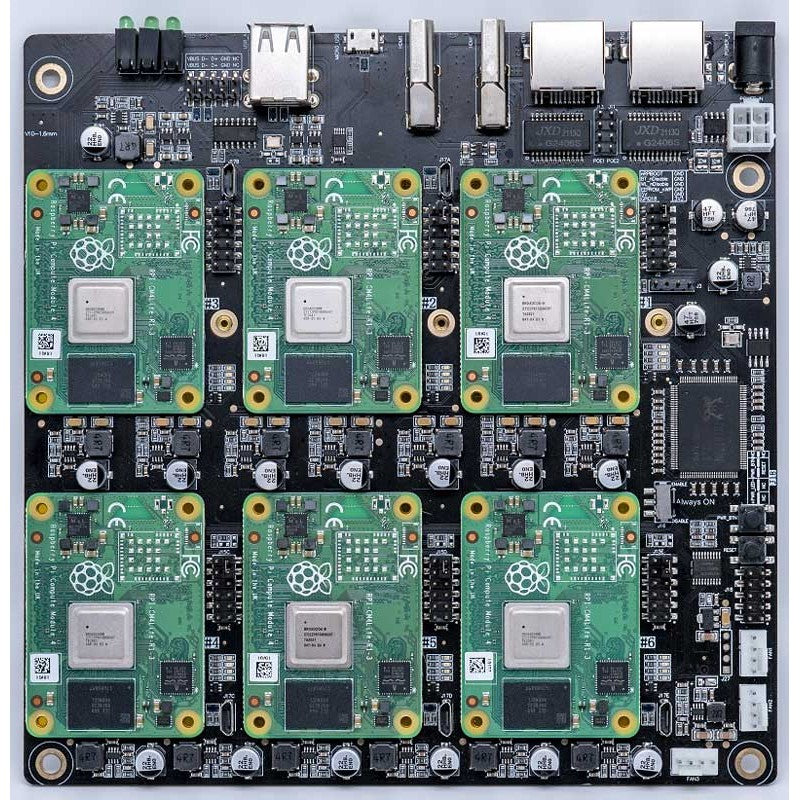
Good news! This product can be shipped from the US overseas warehouse, and the shipping fee for US orders will be reduced. If you have any questions, please contact us. [Description] DeskPi Super6C is the Raspberry Pi cluster board a standard size mini-ITX board to be put in a case with up to 6 RPI CM4 Compute Modules.
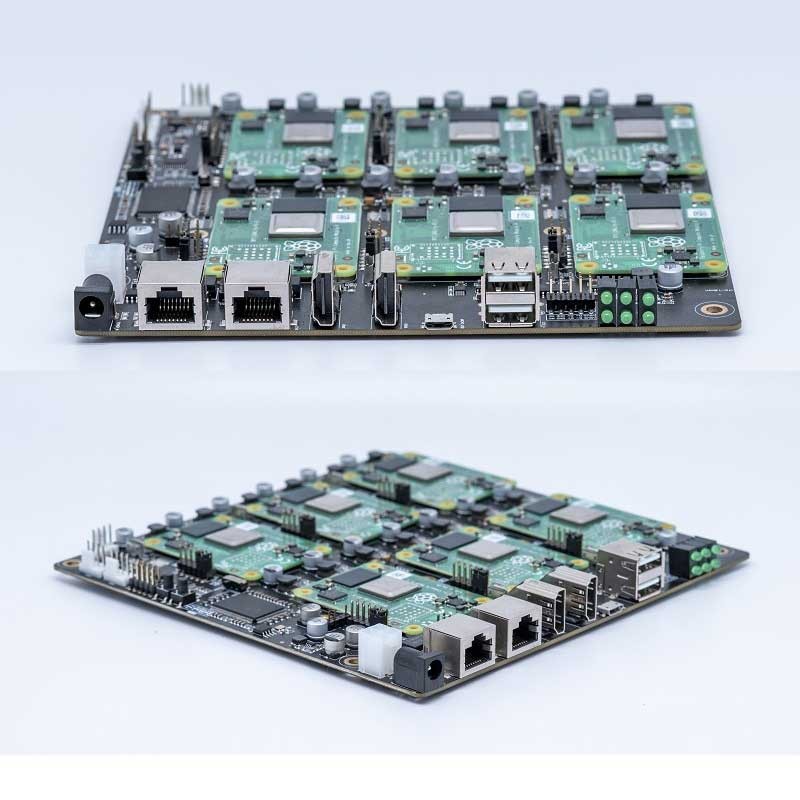
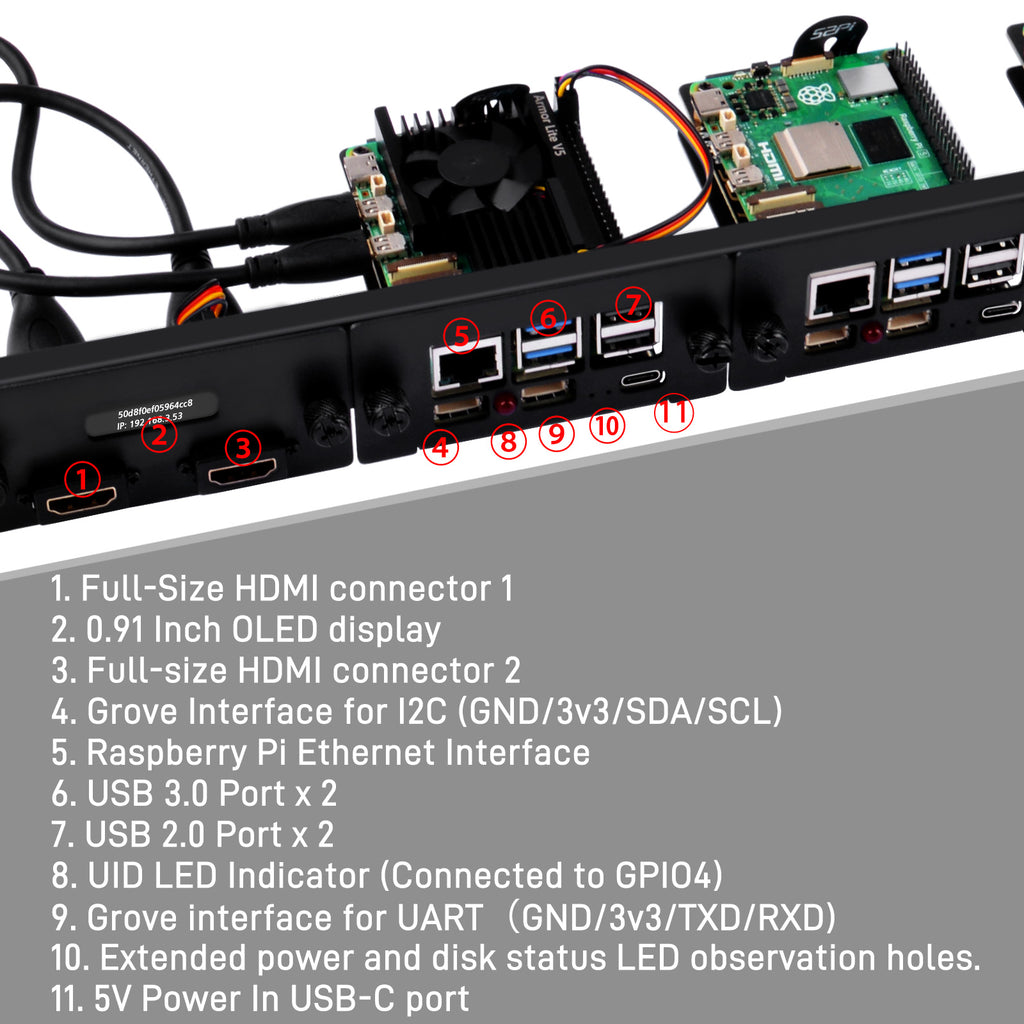
Good news! This product can be shipped from the US overseas warehouse, and the shipping fee for US orders will be reduced. If you have any questions, please contact us. Description The new Raspberry Pi Expansion Board RS-P11 for RS-P22 RPi5 is designed to enhance the functionality of your Raspberry Pi devices with addi
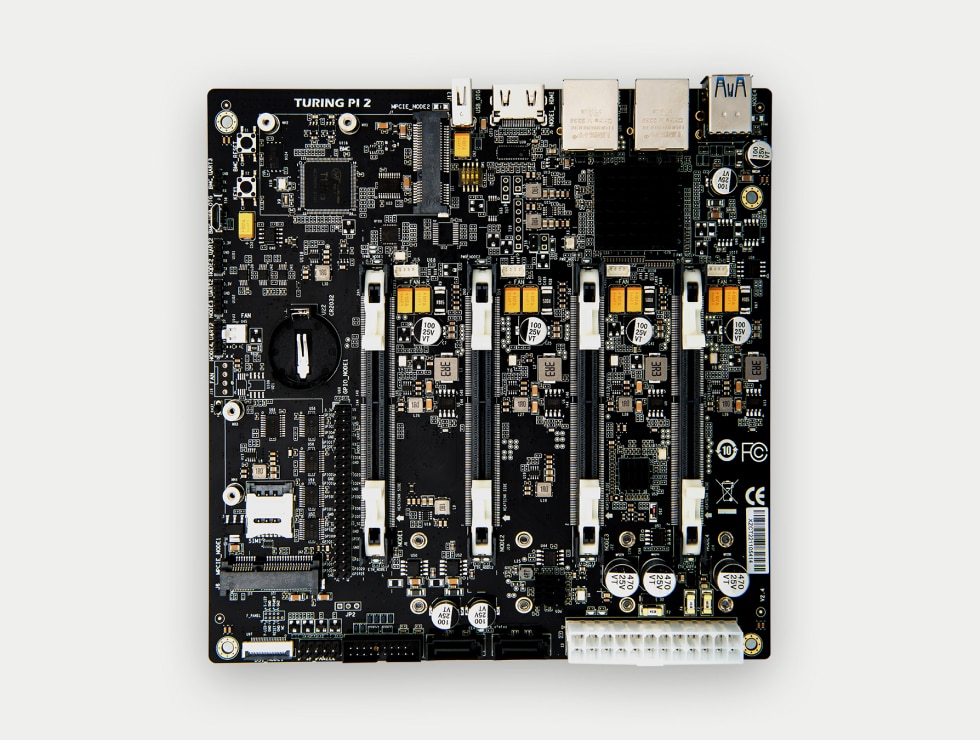
The Turing Pi 2.5 is a 4-node mini ITX cluster board with a built-in Ethernet switch that runs Turing RK1, Raspberry Pi CM4 or Nvidia Jetson compute modules
11:14 p.m.
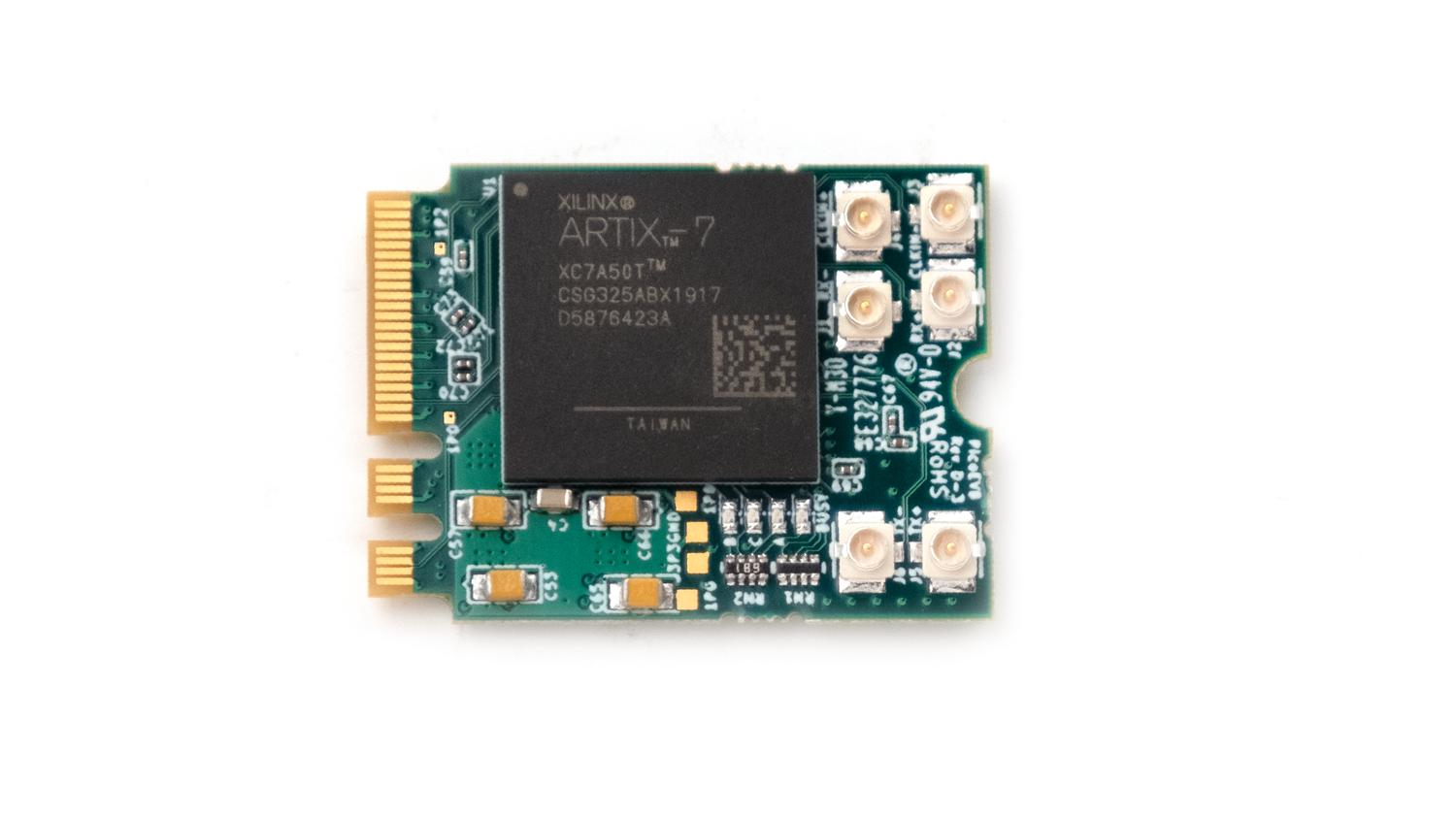
Either way the M2 is great for adding our FPGA's on
11:15 p.m.
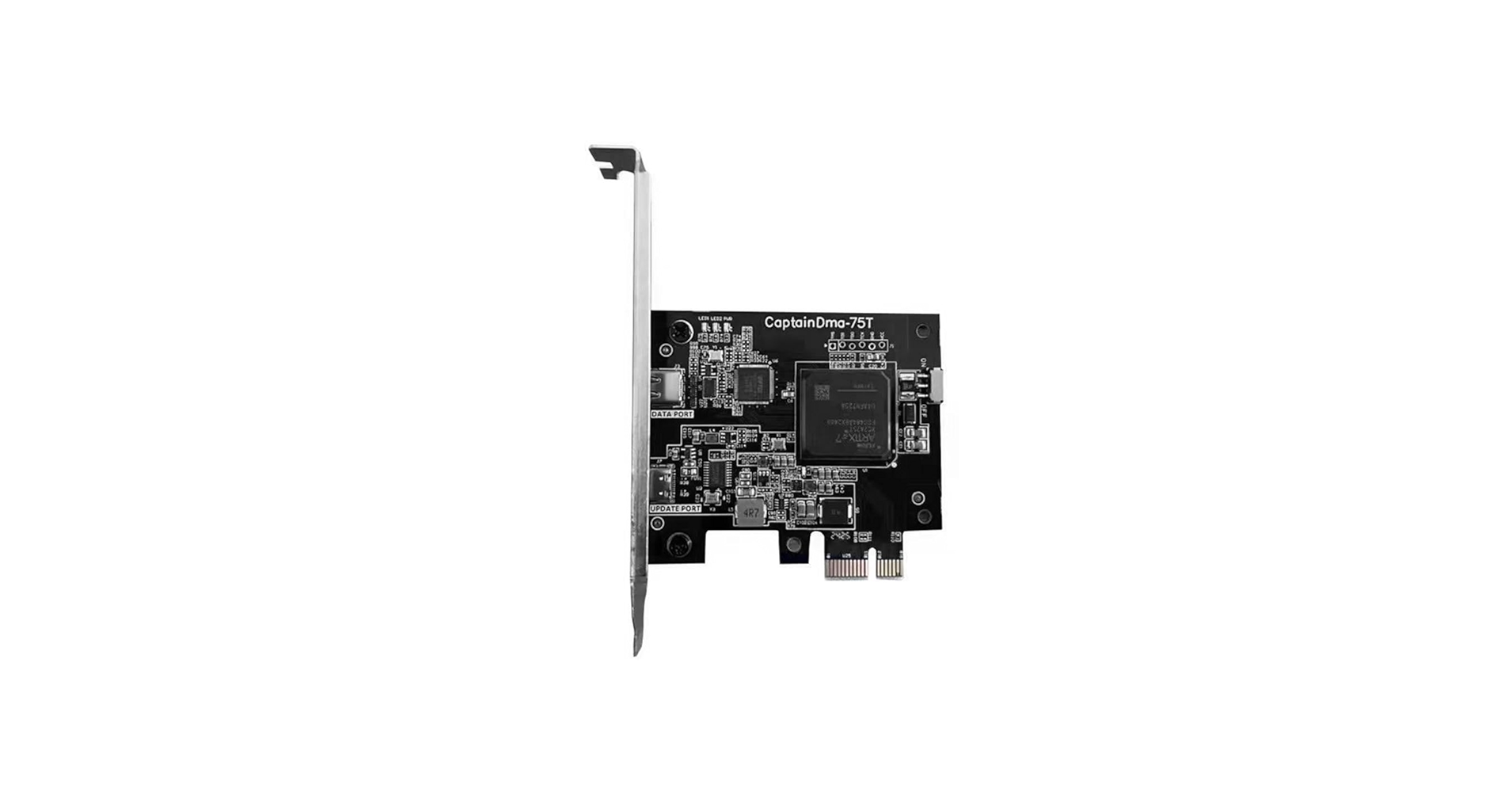
I have ordered one of the game hacking 75T's with preloaded firmware (Pci-leech) , will see if it shows up on lspci off the bat.
Hmm they are not super useful since Pi-5 GPIO drive for FPGA access is stunted we are better served with cheap dirtyJTAG's, they will be useful for stacking pi4's and more flexible layout, but without the PCI-e , do we really want pi-4's.
(just dropping a note here that someone should @bunnie me if i don't get back to this thread by middle/late next week, my head's L1 cache is full so this might get written to swap shortly and I'll need a tickle to bring this back into my working set)
So turns out I have to be outside the CSIRO network to download Vivado from AMD, I have it downloaded installed and now synthing 100T bitstream, turns out the pre-built one I was loading was indeed for 35T and failed to launch. OpenOCD performed the board-scan and did not stop me from loading the wrong bitstream
2:11 p.m.
Receipts : Vivado% source vivado_build.tcl -notrace
-------------------------------------------------------
STARTING SYNTHESIS STEP.
-------------------------------------------------------
INFO: [IP_Flow 19-1686] Generating 'Synthesis' target for IP 'pcie_7x_0'...
INFO: [IP_Flow 19-1686] Generating 'Synthesis' target for IP 'bram_pcie_cfgspace'...
INFO: [IP_Flow 19-1686] Generating 'Synthesis' target for IP 'fifo_66_66'...
INFO: [IP_Flow 19-1686] Generating 'Synthesis' target for IP 'fifo_41_41_clk2_tlptapcfgspace'...
INFO: [IP_Flow 19-1686] Generating 'Synthesis' target for IP 'fifo_55_55_clk2_tlptapcfgspace'...
INFO: [IP_Flow 19-1686] Generating 'Synthesis' target for IP 'fifo_68_34'...
INFO: [IP_Flow 19-1686] Generating 'Synthesis' target for IP 'fifo_32_32_clk2'...
INFO: [IP_Flow 19-1686] Generating 'Synthesis' target for IP 'fifo_64_64'...
INFO: [IP_Flow 19-1686] Generating 'Synthesis' target for IP 'fifo_64_64_clk1_fifocmd'...
INFO: [IP_Flow 19-1686] Generating 'Synthesis' target for IP 'fifo_34_34'...
INFO: [IP_Flow 19-1686] Generating 'Synthesis' target for IP 'fifo_256_32_clk2_comtx'...
INFO: [IP_Flow 19-1686] Generating 'Synthesis' target for IP 'fifo_32_32_clk1_comtx'...
INFO: [IP_Flow 19-1686] Generating 'Synthesis' target for IP 'fifo_64_64_clk2_comrx'...
INFO: [IP_Flow 19-1686] Generating 'Synthesis' target for IP 'clk_wiz'...
INFO: [IP_Flow 19-1686] Generating 'Implementation' target for IP 'clk_wiz'...
2:12 p.m.
There are warnings like this, which I assume are a bad thing, will see if synth results work : INFO: [IP_Flow 19-234] Refreshing IP repositories
INFO: [IP_Flow 19-1704] No user IP repositories specified
INFO: [IP_Flow 19-2313] Loaded Vivado IP repository '/opt/xilinix/2025.2/data/ip'.
WARNING: [IP_Flow 19-2162] IP 'bram_pcie_cfgspace' is locked:
IP definition 'Block Memory Generator (8.4)' for IP 'bram_pcie_cfgspace' (customized with software release 2020.2) has a different revision in the IP Catalog. * Current project part 'xc7a100tfgg484-2' and the part 'xc7a35tfgg484-2' used to customize the IP 'bram_pcie_cfgspace' do not match.
WARNING: [IP_Flow 19-2162] IP 'fifo_41_41_clk2_tlptapcfgspace' is locked:
IP definition 'FIFO Generator (13.2)' for IP 'fifo_41_41_clk2_tlptapcfgspace' (customized with software release 2020.2) has a different revision in the IP Catalog. * Current project part 'xc7a100tfgg484-2' and the part 'xc7a35tfgg484-2' used to customize the IP 'fifo_41_41_clk2_tlptapcfgspace' do not match.
WARNING: [IP_Flow 19-2162] IP 'fifo_55_55_clk2_tlptapcfgspace' is locked:
I have discovered and used this file with installed Litex toolchain. I am going to try the synthesised bitstream and see what I get : https://github.com/litex-hub/litex-boards/blob/master/litex_boards/targets/kosagi_netv2.py it also produces a driver. Need to read up on what it exactly does in the kernel. Because JTAG loader and synthesis toolchains are on different machines , I have to create a bin file and copy it over. I will also add the working 100T pci-leech bin file to the wiki where I got the pre-built 35T one from. Stuck on my tenstorrent card , so I have dropped that from my working set while I rustle up some help(edited)
@Tim 'mithro' Ansell@bunnie you can leave off the VM dusting Litex has kept the NeTV2 support maintained, at least upto 2 years ago and I can build from their end with this command python3 -m litex_boards.targets.kosagi_netv2 --build --with-pcie --variant a7-100 --with-ethernet --driver --with-sdcard
1
5:50 a.m.
Bitstream when loaded shows up with this Xilinix device on PCI-e Bus of Raspberry pi 5:
0001:00:00.0 PCI bridge: Broadcom Inc. and subsidiaries BCM2712 PCIe Bridge (rev 21)
0001:01:00.0 Memory controller: Xilinx Corporation Device 7024
0002:00:00.0 PCI bridge: Broadcom Inc. and subsidiaries BCM2712 PCIe Bridge (rev 21)
0002:01:00.0 Ethernet controller: Raspberry Pi Ltd RP1 PCIe 2.0 South Bridge(edited)
it might be a good time to rebuild the box - there is a new version of Debian and RaspiOS and figure out how to support more than just Arty which I think is all the ansible stuff sets up
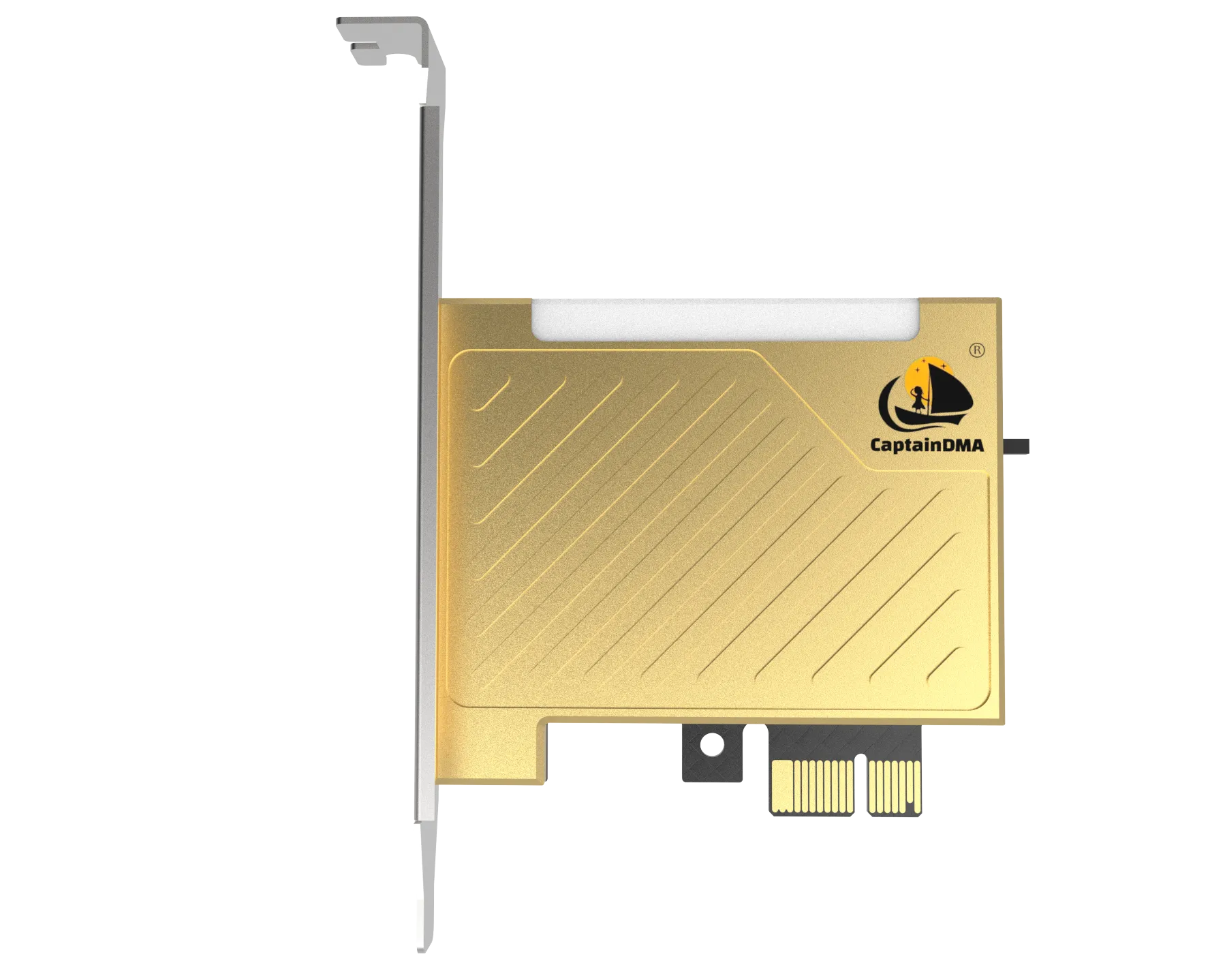
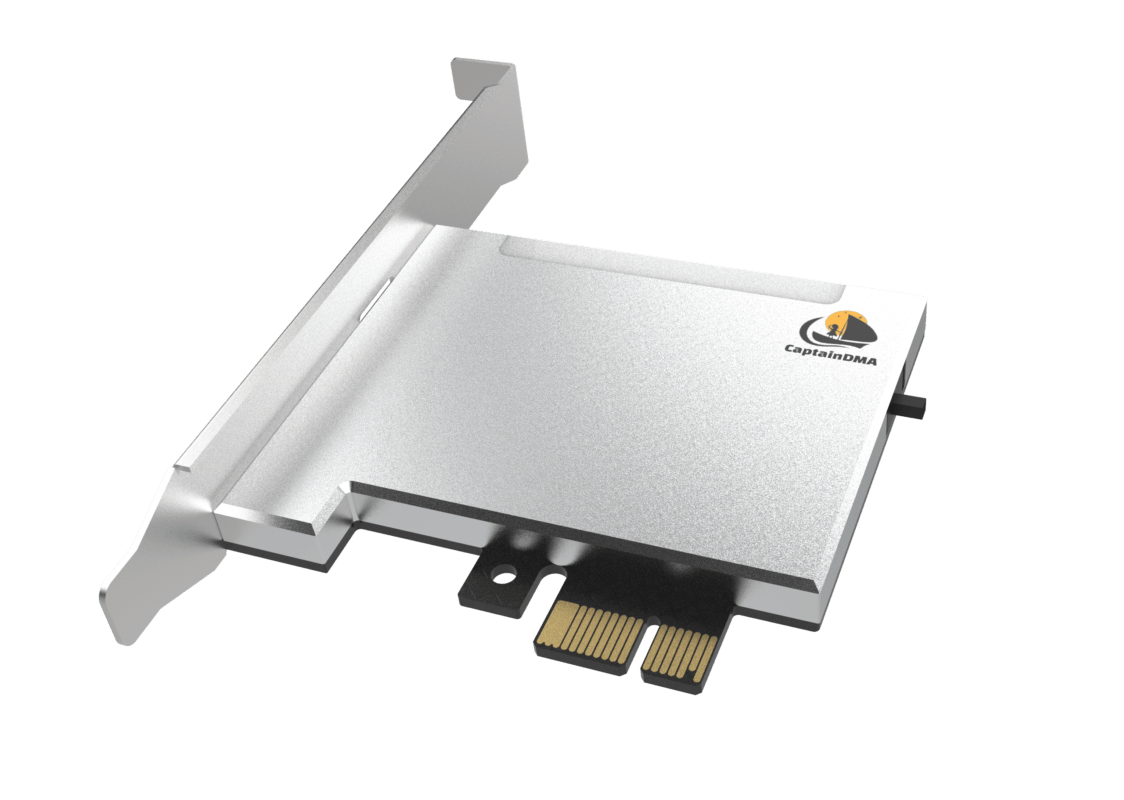
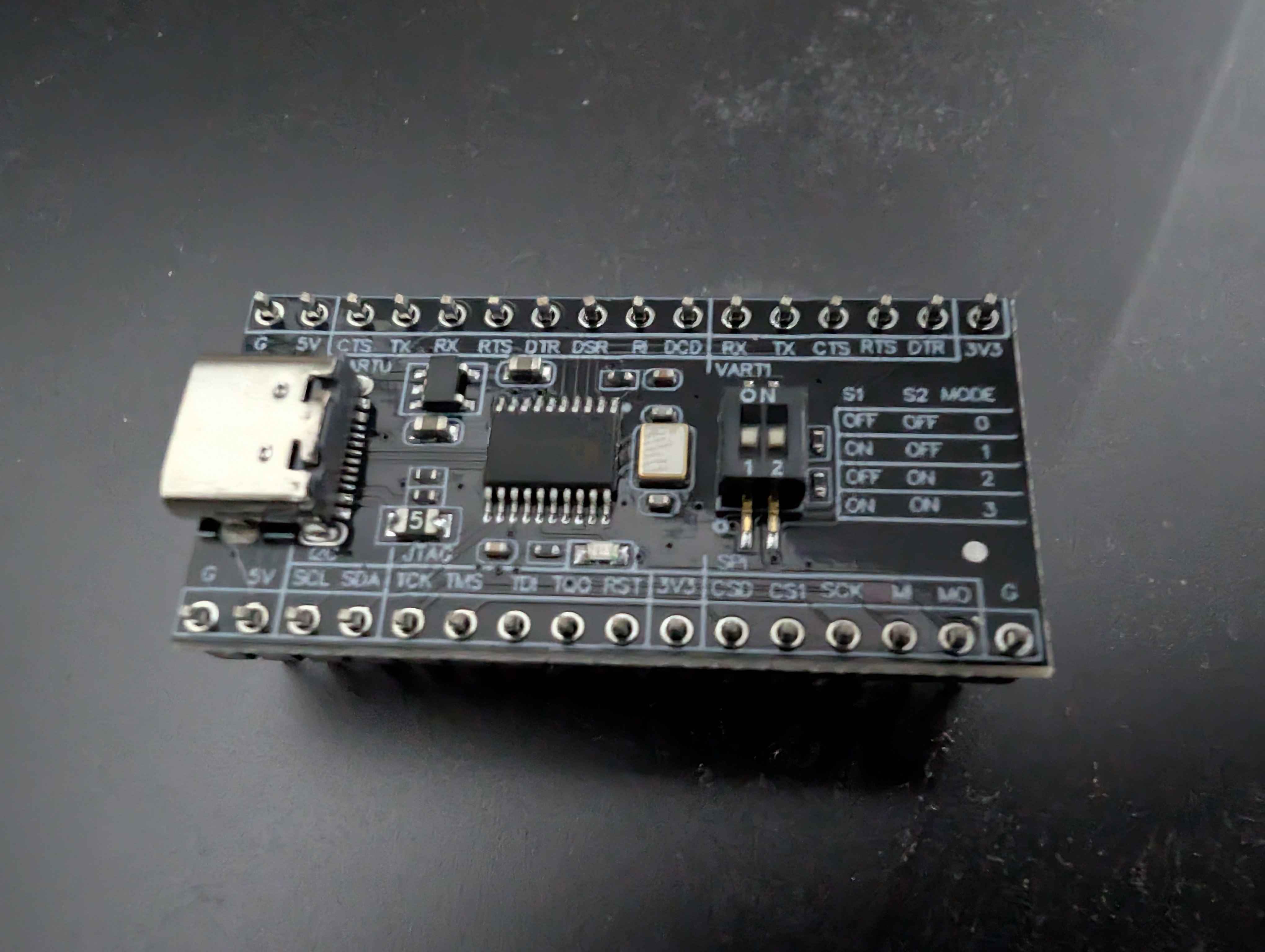
I got a one of the DMA game hacking cards off Amazon (a 75T) it comes with a built in CH347 UART + JTAG interface. So can upload things to it via newer openOCD , did upload Pci-leech and that works. Will see if I can register it as a board under Litex and make it do something. Next weekend will document the NeTV2 status in Litex Wiki. CH347 seems to be the easiest / cheapest UART + JTAG in the current setup. Dirty JTAG's work too I guess. I have some Raspi's Pico's floating around looking for a purpose in life.
It is a super simple card ch347, FPGA, spi flash and ftdi for output if things back to host. It captures game frames and does stuff automatically (target lock for FPS(.
I'm just circling back to this thread - it looks like the NeTV2 bitrot issue was resolved, so I don't need to dust off the old VM and try to figure that out any more, correct?
bunnie
I'm just circling back to this thread - it looks like the NeTV2 bitrot issue was resolved, so I don't need to dust off the old VM and try to figure that out any more, correct?
The description seems reasonable to me:
cmdline.txt and fstab had hardcoded 10.21.0.1 NFS server IPs.
Convert to Jinja2 templates using {{ eth_local_address }} and
{{ nfs_root }} so they work across sites with different IPs
(e.g. welland at 10.31.0.3, PS1 at 10.21.0.1).
The IP address range 10.31.X.X is what I'm using for the fpgas.online in my network.